
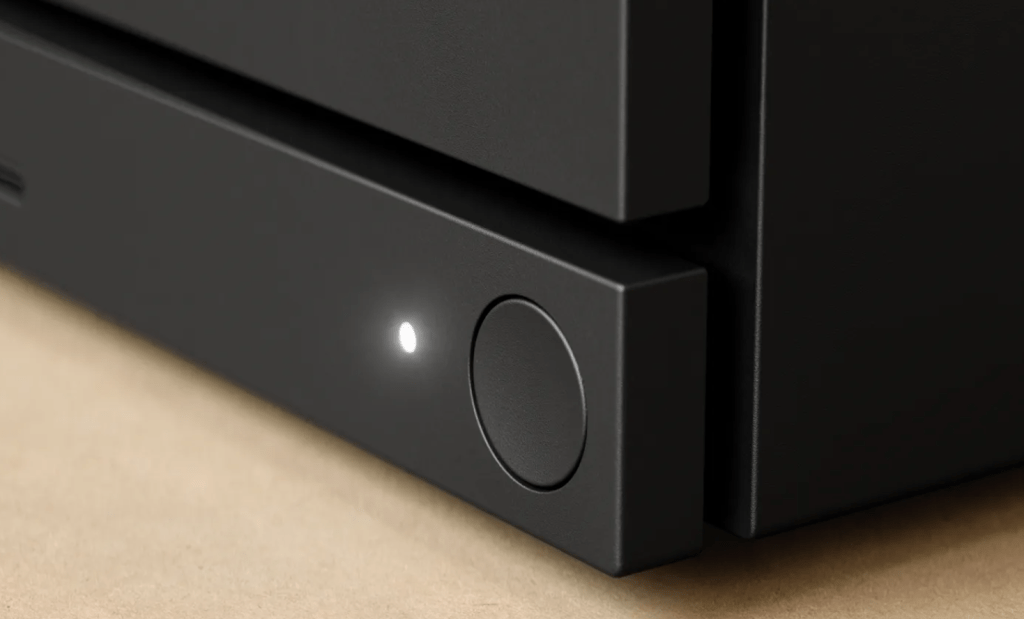
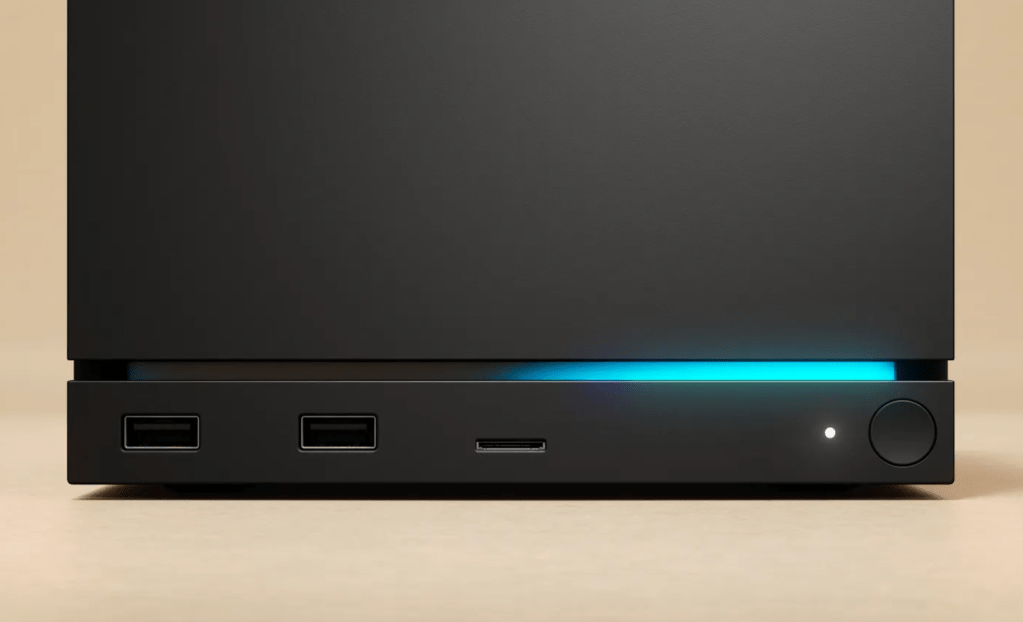
Everyone’s arguing about whether $1,049 is too much for a box that games at roughly RTX 3060 level. It’s a fair argument to have. It’s also not the argument Valve is having.
The framing I keep seeing is Steam Machine versus PS5, Steam Machine versus Series X. Valve against the console makers. That was never the plan. Valve doesn’t need to sell a single Steam Machine to win, and they’ve set things up so they win whether you buy theirs or somebody else’s.
Look at what’s already happened, days after reservations opened. MetaPCs is shipping the “Steamroller,” a $1,299 micro-ATX desktop with SteamOS pre-installed — Ryzen 5 9600X, RX 7600, fully upgradable, which the cube isn’t. A French retailer, LDLC, put out the “Stim Machine” at €1,039, the same price Valve charges for the Steam Machine in the EU, with a beefier RX 9060 XT inside. It sold out. Neither of these is a Valve product. Both are wins for Valve, because both boot into SteamOS and both buy their games from one place.
Here’s the part that actually impresses me, and I don’t hand that out lightly for a thousand-quid Linux box. Sony and Microsoft sell consoles at a loss and claw it back through store fees and subscriptions. That’s the price of owning an ecosystem, you eat the hardware. Valve refused to eat anything. Lawrence Yang told The Verge they’re selling at cost: components plus manufacturing, no subsidy. So Valve gets the ecosystem and the store cut without taking the hit on the box. They can do that because the box was never the business. The store is the business. The hardware just delivers SteamOS, and SteamOS delivers Steam.
Which is why the real loser here isn’t Sony. It’s Microsoft.
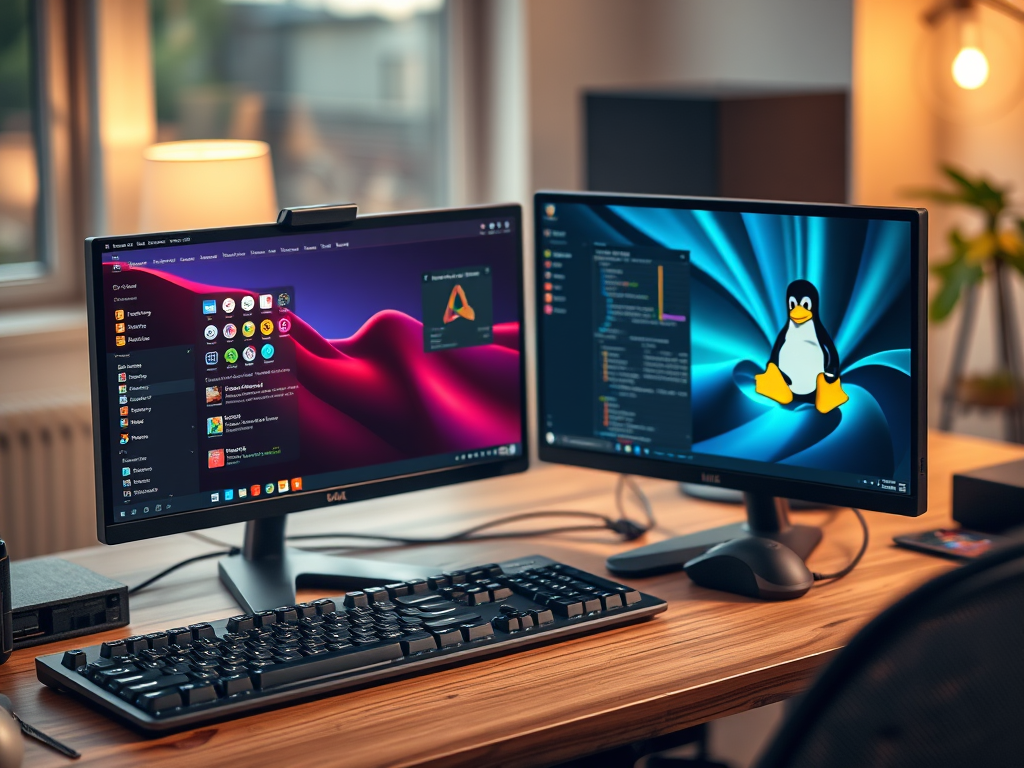
Every SteamOS machine, Valve’s, MetaPCs’, a self-built Stim, a Legion Go S, an ROG Ally somebody flashed, is a Windows licence Microsoft didn’t sell and a gamer who’s just worked out they don’t need Windows to play their library. Valve made SteamOS free for OEMs. It’s running on third-party handhelds, it picked up Intel support this month, and it’s creeping onto desktops. The console comparison is useful misdirection. The actual target is the default OS of PC gaming, and Microsoft has owned that unchallenged for thirty years.
We’ve been here before, sort of. The 2015 Steam Machines flopped — Alienware, Zotac, CyberPower, a pile of inconsistent boxes running an OS that could barely play anything because Proton didn’t exist yet. I had opinions about that at the time, mostly “why would anyone buy this.” The difference now is Proton works. The Deck proved it to millions of people. The boxes are turning up because the software finally earned them.
So, is $1,049 good value? Wrong question. The question is how many gamers are about to quietly stop paying the Windows tax without really noticing they’ve done it. Valve’s betting it’s a lot of them and this time they’ve built the thing to make money no matter who actually sells the box.




Leave a comment