
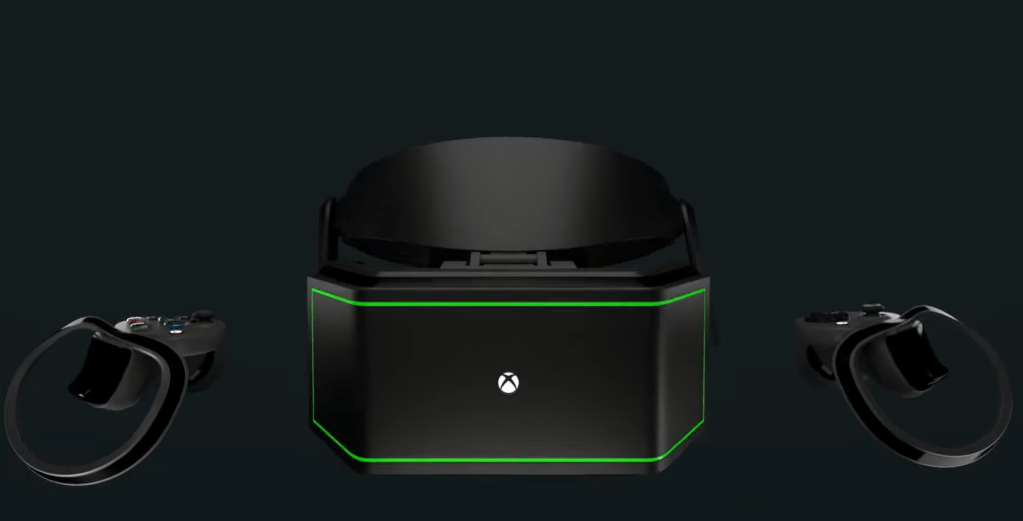
Is Microsoft going to announce a VR headset for Xbox? Today I’ll break down what’s happening in VR, why recent announcements make me think Microsoft are developing a new Xbox headset and why I think it might not happen…..yet. Let me know in the comments what you think. So, read on. We’ve got plenty to talk about!
You can watch the YouTube video of this report here

What’s Happening in VR right now?
Let’s look at the evidence. The tech industry is always looking for new markets to develop and exploit and right now there is no bigger hype than around the Metaverse. Microsoft mentioned it during their recent purchase of Activision and for it to be mentioned so prominently during an acquisition of this size shows their intent.
“What does the metaverse have to do with Xbox and VR?” I hear you say. Well right now nothing but Microsoft clearly see’s games, and therefore Xbox, as a way consumers will interact with the metaverse. Check out my video to watch my take on the Activision deal (or read about it here) and what it means for content on Microsoft’s platform.
Yes, I am aware that HTC, Valve, and other players in the market have VR headset, but these are likely to remain niche offerings, so today I’m going to focus on the big tech players as they have the global reach and recognition to push this into the mainstream.
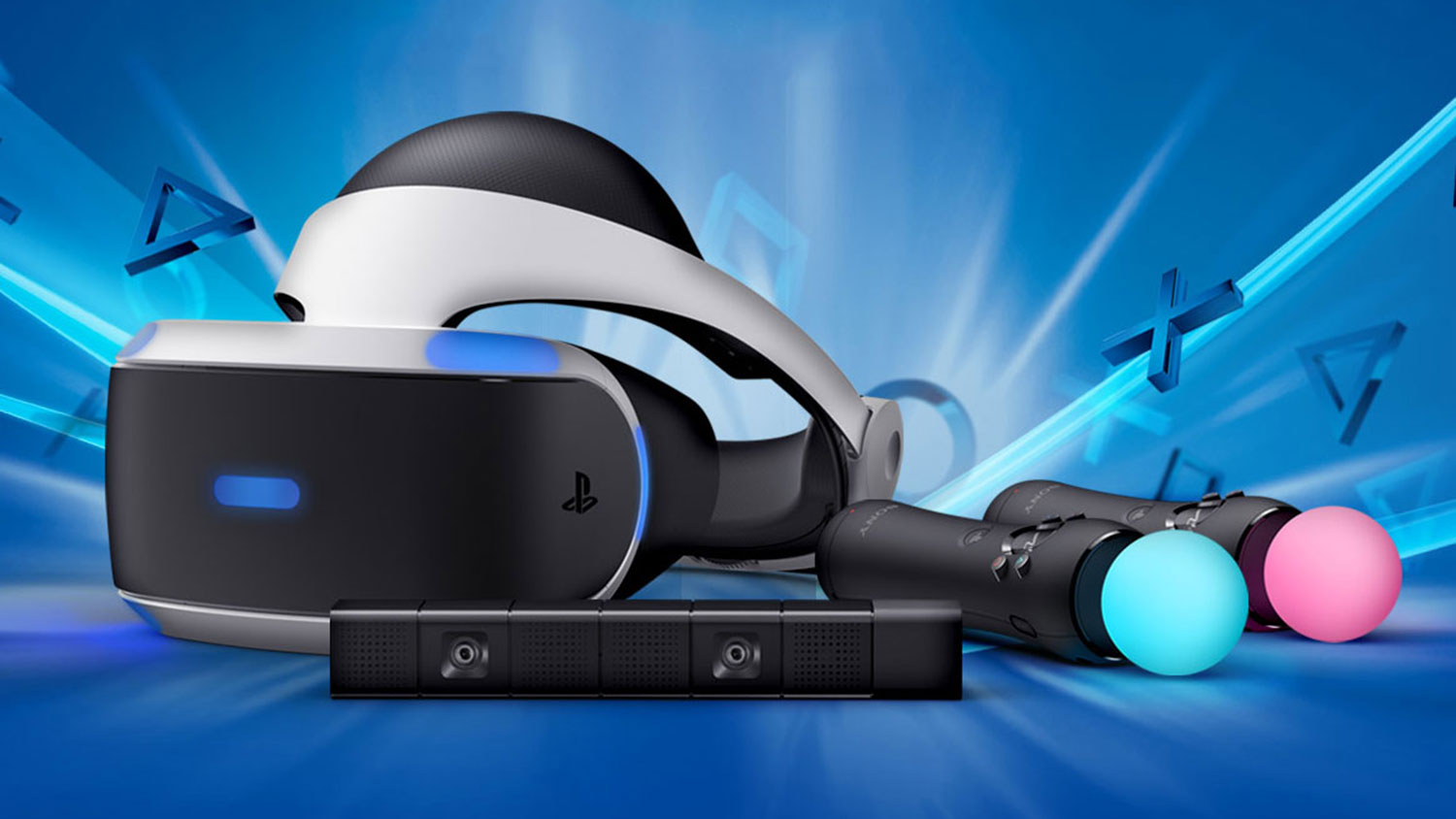
Sony / PlayStation
Sony already has PlayStation VR which has sold 5 million units and received positive reviews. But looking at the list of games highlighted on the PlayStation web site the list of games is limited. What is there looks to be reasonable quality what’s clear is the biggest titles are yet to be VR compatible.
Google has recently announced the creation of a team working on its own AR product which will dovetail with their mobile strategy in the coming years. Their computer offerings tend to have limited power, and they are a cloud first company so it’s likely that whatever they release will be low power standalone unit or require a powerful phone to plug into. Games are almost certain to be a key use case for such a device although also look for them to leverage search and maps to monetise this product line. If Google can combine new devices with their existing software work in maps and image recognition, they may have a strong contender.

Apple
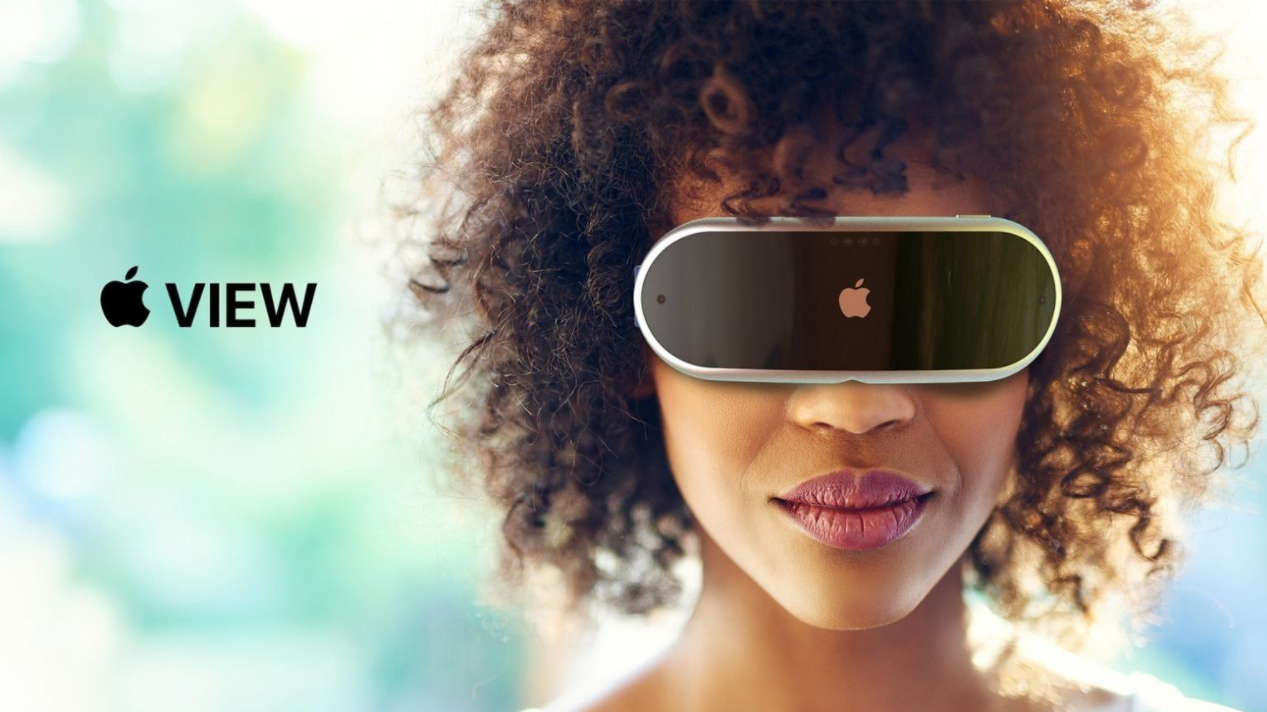
Apple have long been rumoured to be working on a VR product. Like other Apple products it will not be released until it is ready. No slow public iteration of products for the guys and gals from Cupertino, and therefore certainly after everyone else. They will look to leverage second mover advantage like they have with the Apple Watch and wireless earphones.
Apple’s entry into this space could be the key to mainstream acceptance of these types of devices which could spur interest in VR for devices or services you already own such as Xbox and PlayStation.
A $3000 developer edition is rumoured for this year. Apple will look to leverage their massive app and game library as well as their increasing television presence.
Meta / Facebook
The Oculus 2 has sold ten million units. Despite these impressive sales figures it’s hard to argue that Oculus holds any kind of status within the gaming community. Right now, it’s still a niche oddity but their first mover advantage and technological prowess will see them well placed in the coming VR wars. In fact, in the past few weeks a large number of Microsoft employees have been poached by Meta to work on their VR platform
Microsoft
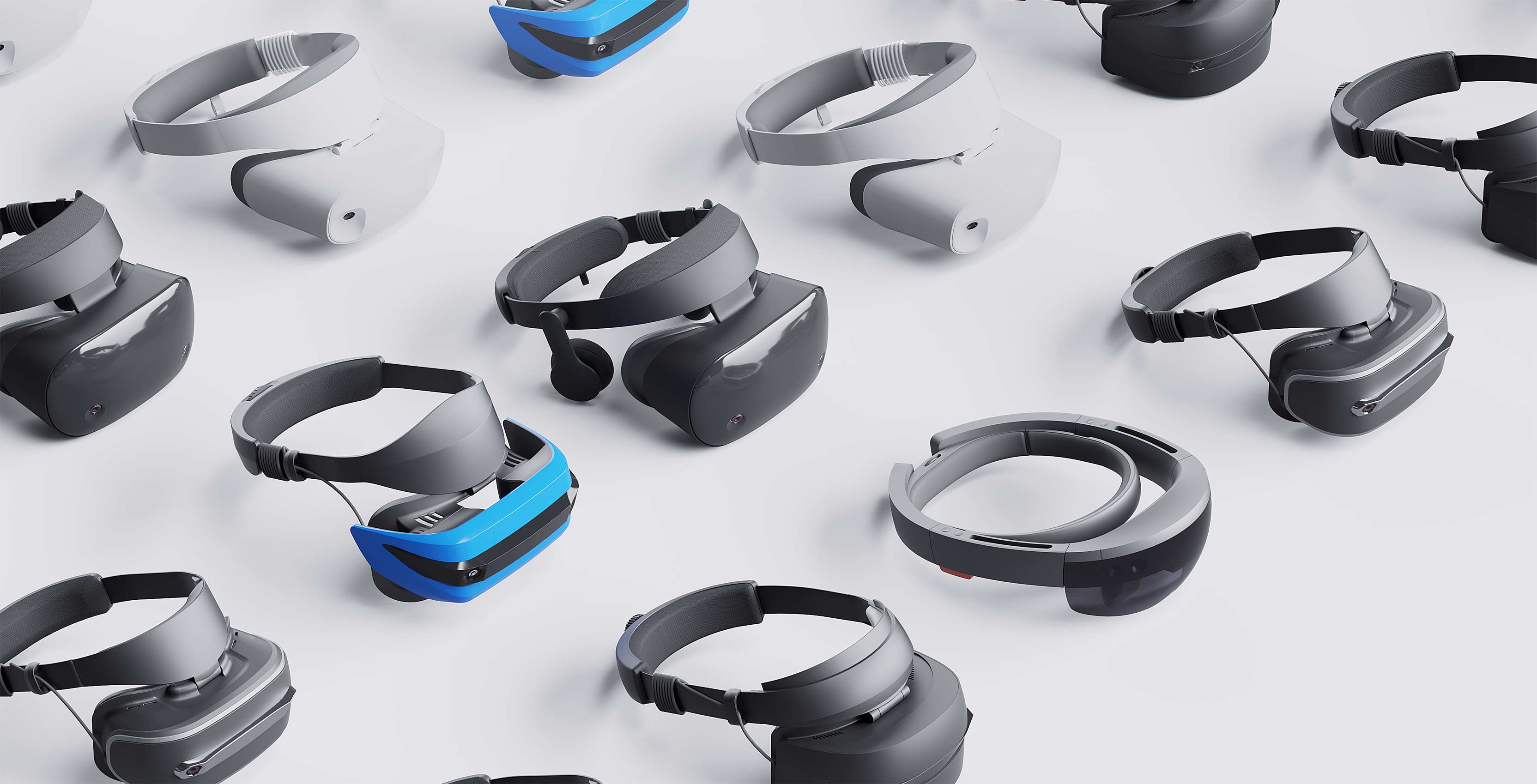
And finally, Microsoft who have dipped their toe in the water with their tepid support for Windows Mixed Reality headsets, and more seriously Holo Lense. Right now, this is enterprise only and very expensive, Will they leverage this technology to bring out a consumer version for use with Windows 11 and Xbox series S / X?
Four reasons why I think an Xbox VR headset could happen.
Qualcomm’s new chipset. At CES recently, Qualcomm announced the development of a chipset specifically for use with the Microsoft Eco System.
“We’re announcing that we’re developing a custom augmented reality Snapdragon chip for next-generation, power-efficient, very lightweight AR glasses for the Microsoft ecosystem,”
https://www.theverge.com/2022/1/4/22867172/qualcomm-microsoft-custom-chips-next-gen-ar-glasses-ces-2022
This certainly sounds like a class of devices which could be used in an Xbox or general gaming centric device. This is likely to be focussed on the enterprise at first, but it is another piece of the puzzle for releasing an Xbox within the next few years.
Microsoft acquired Activision. In the next 10 years content will be key. Microsoft clearly increasingly sees itself as a cloud content provider for an emerging metaverse and will want at least some control over the devices used to consume that content. By mentioning the Metaverse so prominently during the Activision purchase Satya Nadella signalled the direction of travel for the whole company which is cloud powered experiences which blend the lines between the physical and virtual. Be that in a meeting with colleagues at work via Teams / Mesh or gaming AR and VR experiences on your Xbox or Game Pass streaming. Have Microsoft finally found a technology with complimentary enterprise and consumer focus? If so, Xbox will surely play a significant role in this.
History. The tech industry is looking for new markets to target and the metaverse, and by extension VR and AR are next in everyone’s sights. Historically Microsoft has tried to compete in emerging markets, just look at Surface, Xbox, Windows Phone, Band, and Zune with varying degrees of success. Surely a consumer centric VR solution will be next. Microsoft are increasingly focussed on games, the metaverse and leveraging their existing cloud infrastructure to take advantage of this.
They told us so. Chris Capasella, the head of marketing at Microsoft recently called out “digital twins” as something to watch out for on the Windows Weekly Podcast. These are digitised versions of real-world objects, organisations, and services. When the top executives publicly tell you to look at something its worth paying attention to. For the moment this is focussed on the enterprise for now but is another sign that Microsoft are increasingly focussed on the metaverse and AR/VR.
Whilst the reasons listed above do not, on their own, point directly to an Xbox VR headset when taken together we can see the direction of travel in Microsoft’s emerging development focus and can draw some strong conclusions which point to a company re-engaging with consumers in an emerging metaverse. Microsoft’s strongest (only perhaps) consumer play is Xbox so it follows that they will meet their customers where they are, and release cloud powered metaverse devices for Xbox.
Three reasons why it won’t happen…..yet.
History with Hardware. Microsoft’s history with devices is patchy at best with plenty of losses racked up along the way Surface is a rare outlier due to the quality of the product and number of units sold but even that had its problems in the beginning. Even Xbox, despite its marketplace position doesn’t make money on the hardware. Rather, the ancillary services such as game sales, in app purchases and now game streaming via Game Pass make up the bulk of its profits. They will be wary of committing money and resources in to another such venture.
Game Pass. The success of Game Pass means Microsoft believe that streaming content to existing devices is a better route to success. If you subscribe to their gaming service, why should they care which device you use. Microsoft has also struggled to make money on hardware historically and this may dissuade them from spending time and engineering resources developing their own hardware. They do have an unrivalled hardware partner eco system for Windows so perhaps they will attempt to lure them in to developing competing headsets for the Xbox marketplace. This would fit the model used previously for Windows devices.
No Content. Content isn’t there yet. Yes, they have purchased some of the world’s biggest game studios but as of right now there isn’t a huge library of games to take advantage of new VR hardware. This will come in time I am sure but to release a headset in the next 18 months doesn’t make sense.
Conclusion
What is clear from recent developments is that Microsoft are increasingly focussed on technologies which target the key pillars of Cloud, Content, and Consumers. Whilst releasing a VR headset does represent a risk it is a device class which targets each one of these pillars and should therefore be considered a strong possibility.
So, what do you all think? Should Microsoft release an Xbox headset? And if they did, would you buy one? Let me know in the comments.



Leave a comment