
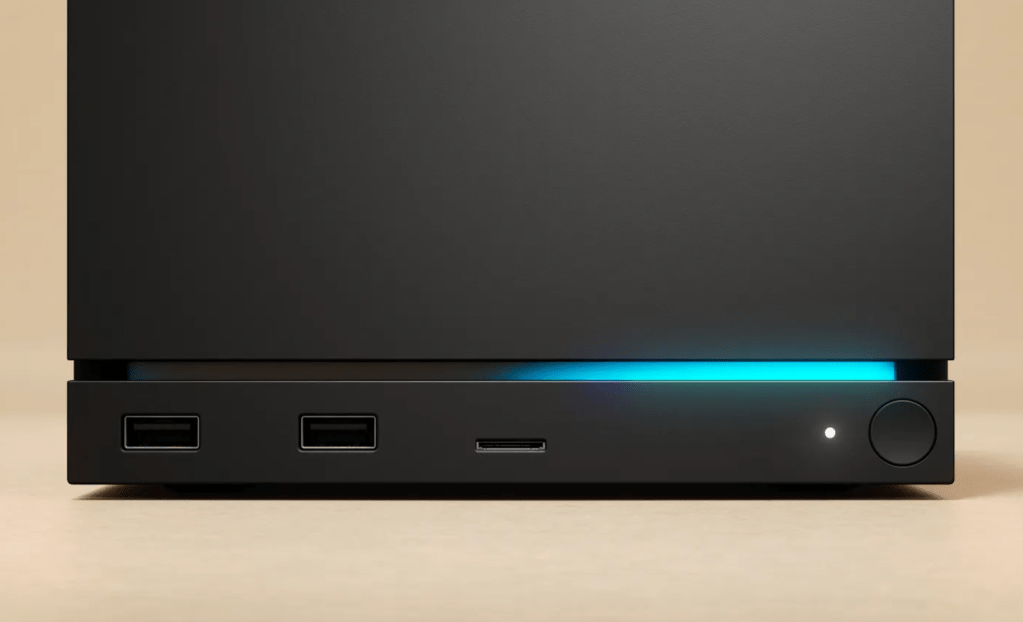
In my last post I dug into what Valve’s new Steam Machine actually is in hardware terms and how it compares to Xbox Series X and PS5. The short version was: roughly PS5 class performance, below Series X in raw GPU power, but with the flexibility of a small living room PC and the huge Steam library behind it.
This time I want to zoom out and ask a different question:
If Steam can make a PC feel like a console at a console style price, where does that leave Xbox and its next console?
Because on paper, this looks like it crashes straight into Microsoft’s living room territory. In reality it mostly accelerates the direction Xbox was already heading.
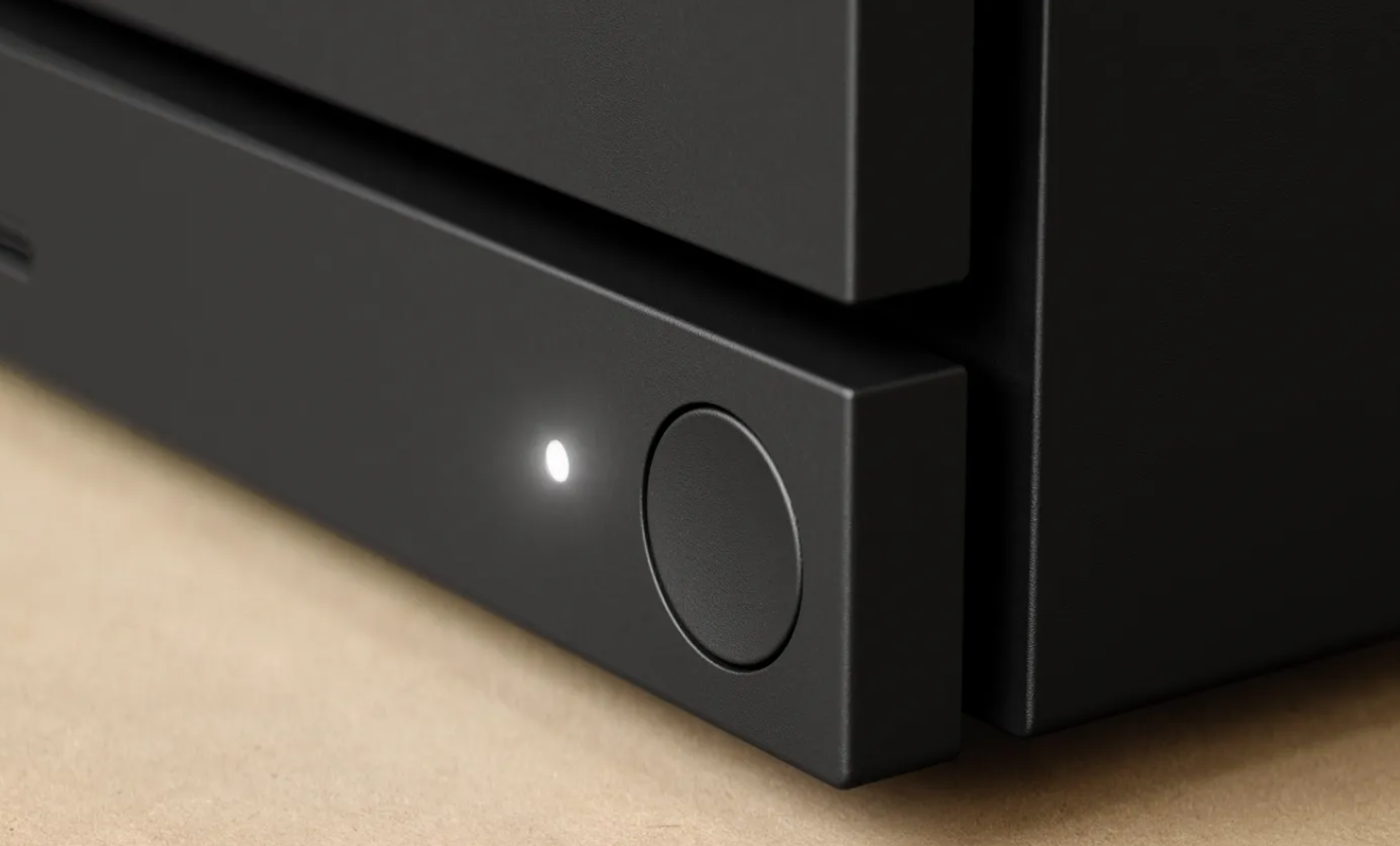
Xbox has already stopped thinking “just console”
Phil Spencer has been very open about where Xbox is going. Recent interviews have all hit the same theme: Xbox is not just a box under the TV any more; it is a platform that lives on console, PC, cloud and eventually handhelds and TVs as well.
You can already see that in a few places:
- Play Anywhere and cross save between console and PC
- The Xbox app on Windows, which has quietly become a decent PC launcher for Game Pass and the Microsoft Store
- Heavy investment in cloud streaming so your library follows you to mobile and low power devices
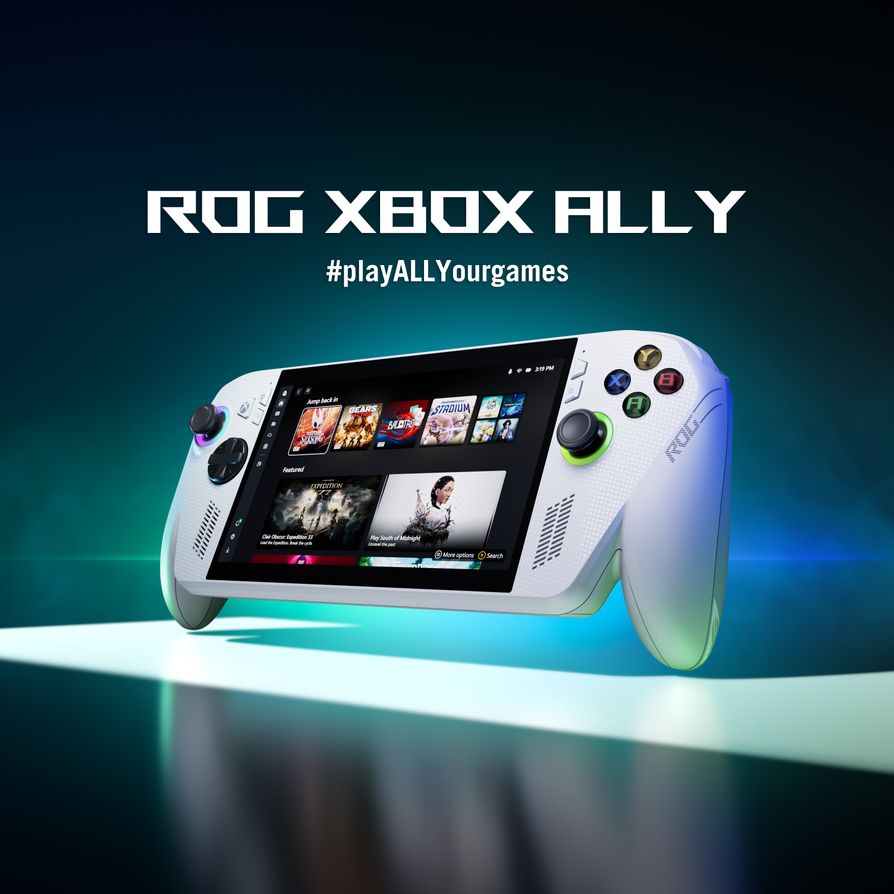
- Very loud hints about an Xbox handheld, plus collaborations like the new ROG Xbox Ally devices that boot into a full screen Xbox style UI over Windows.
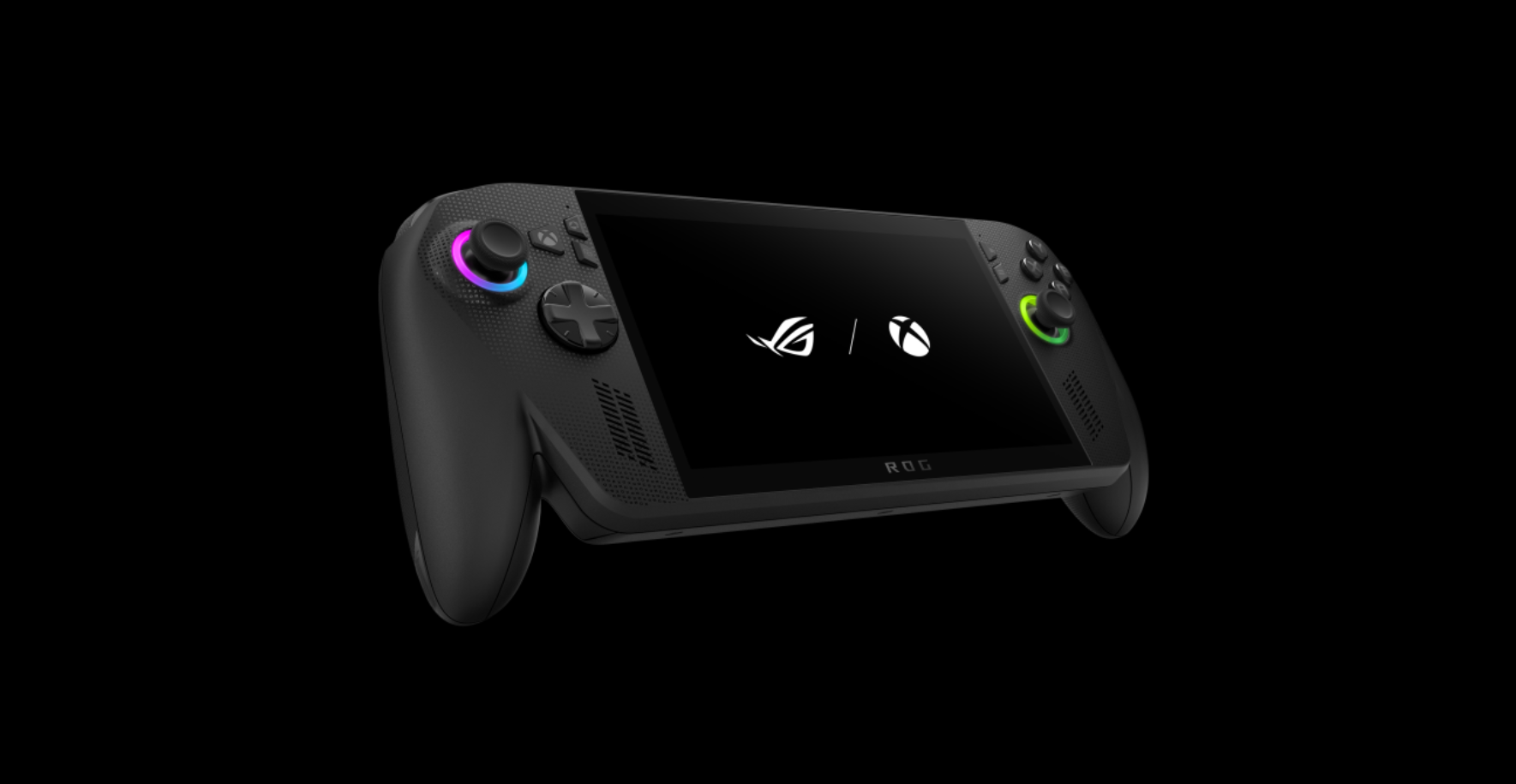
The message from Microsoft leadership is consistent. Spencer talks about “multiple hardware endpoints” and Nadella talks about Xbox being “everywhere” rather than locked to one box.
So Xbox is already trying to escape the old “you must buy our console or you are not really in the ecosystem” model.
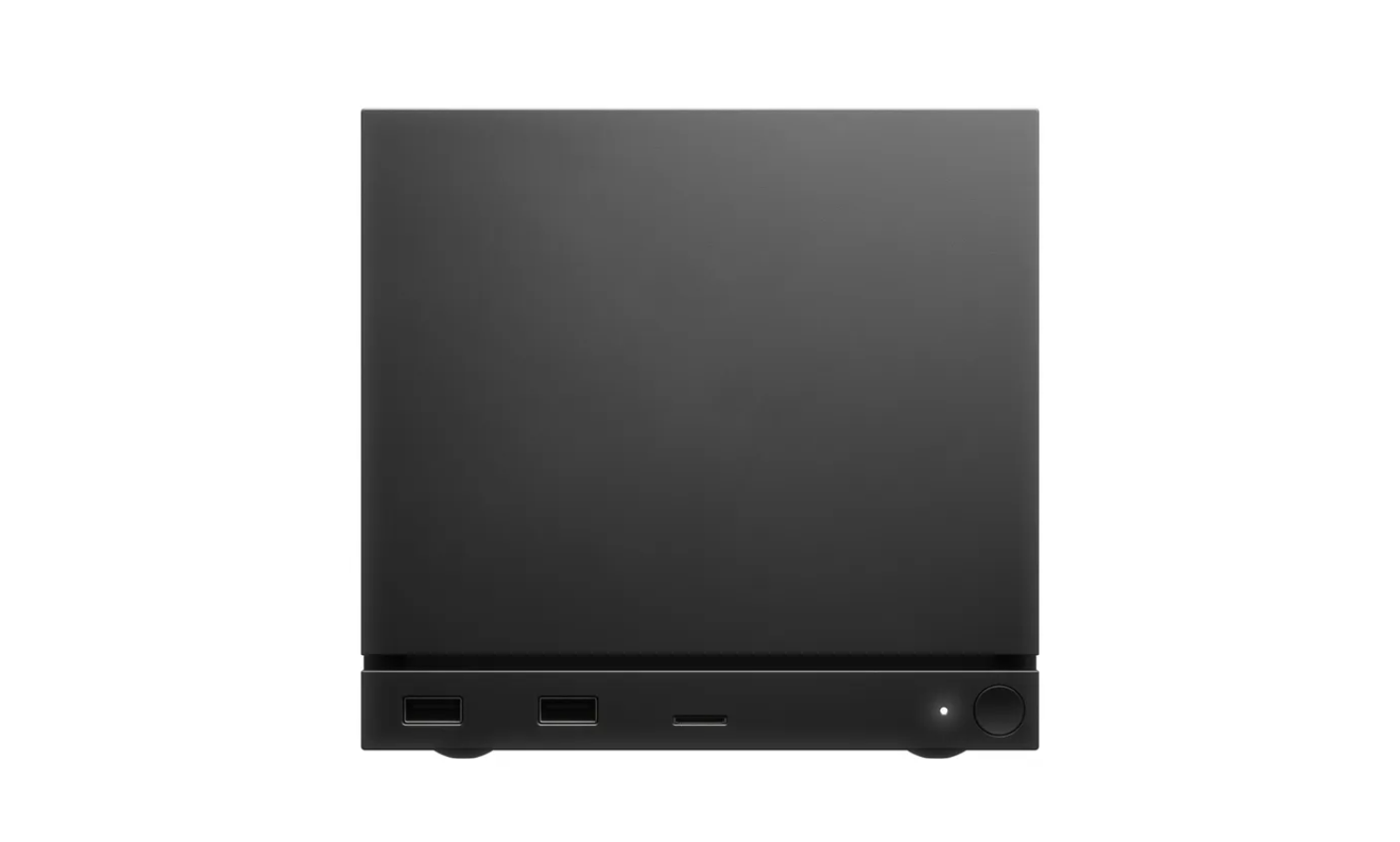
Steam Machine proves the PC that feels like a console is real
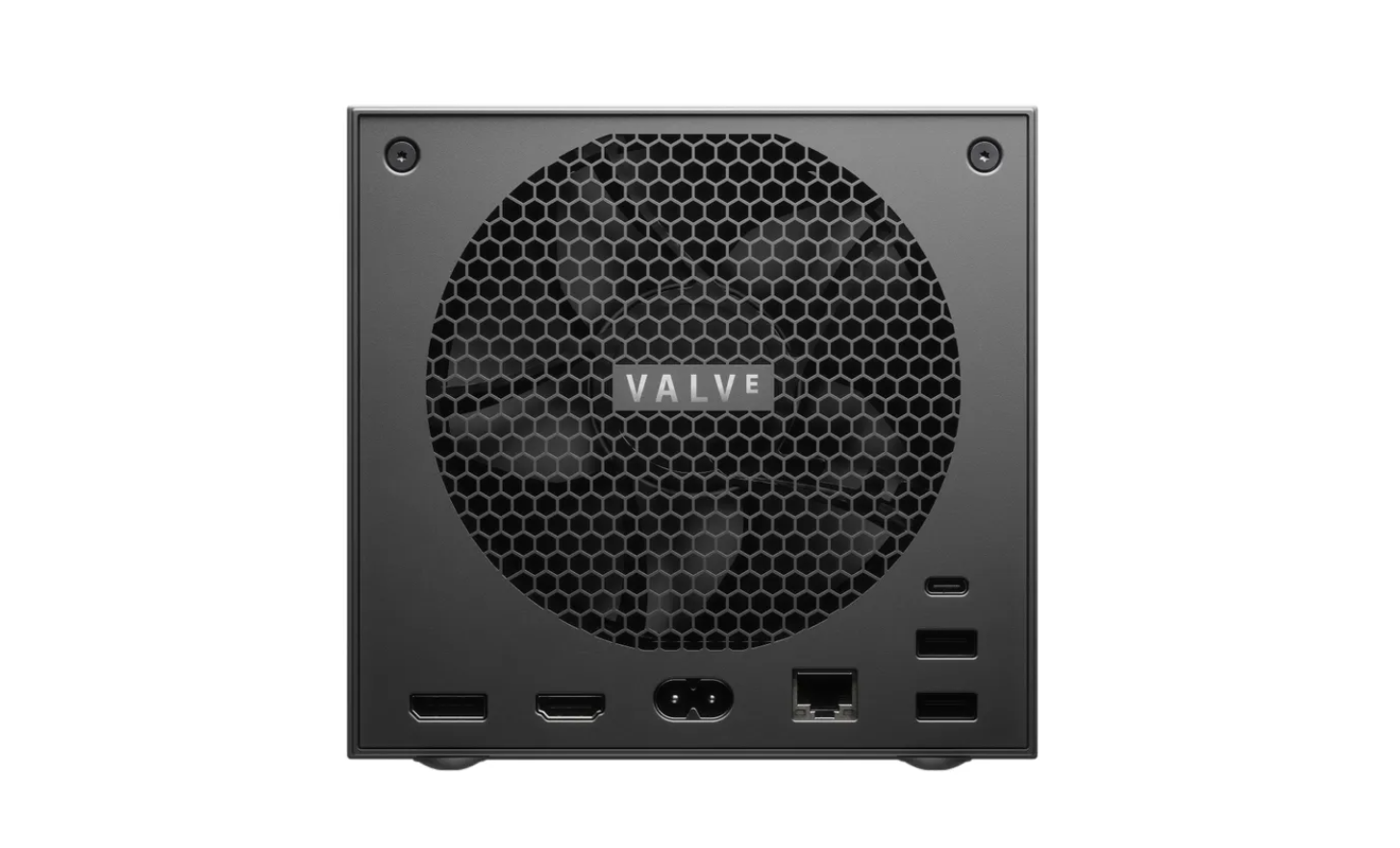
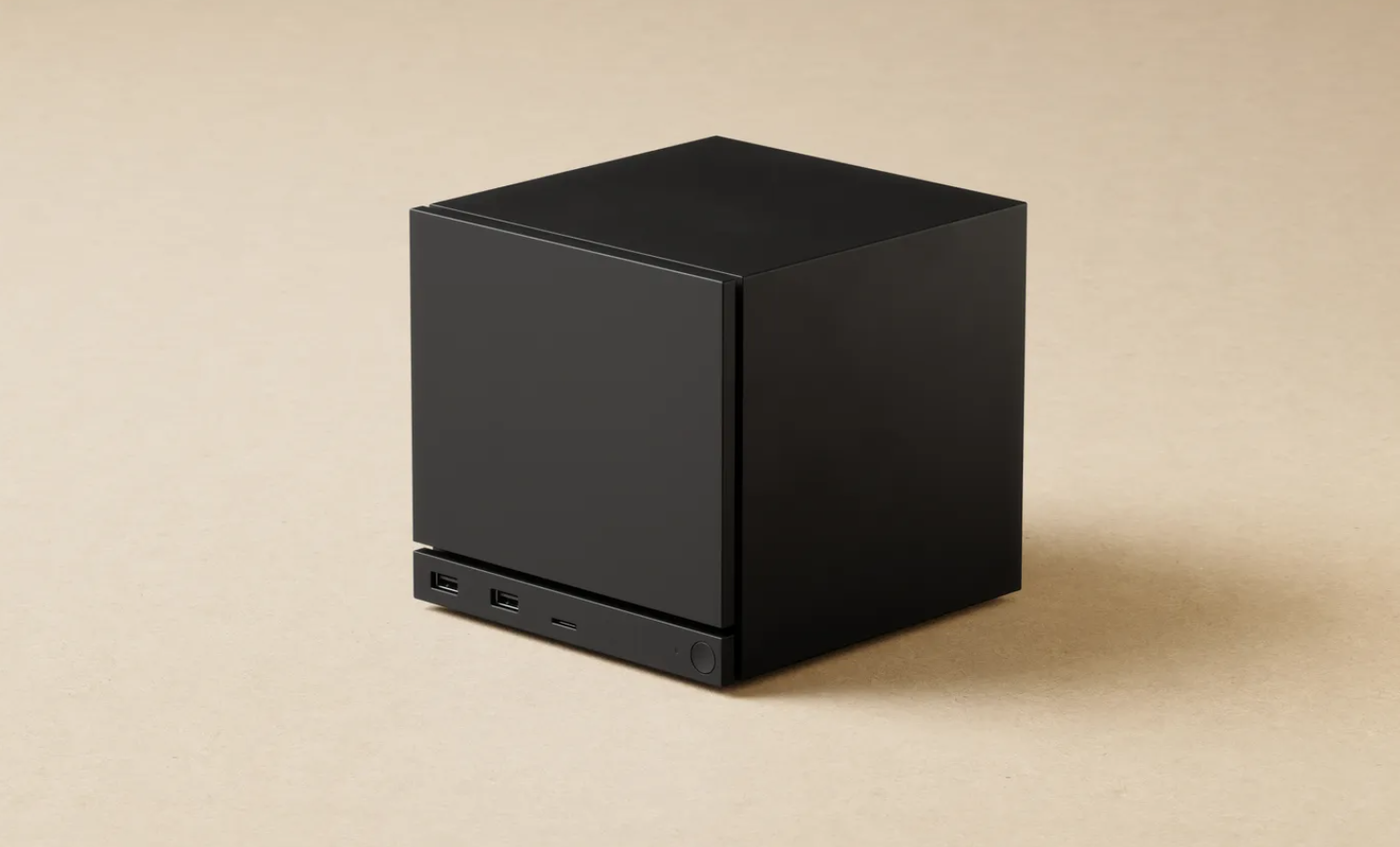
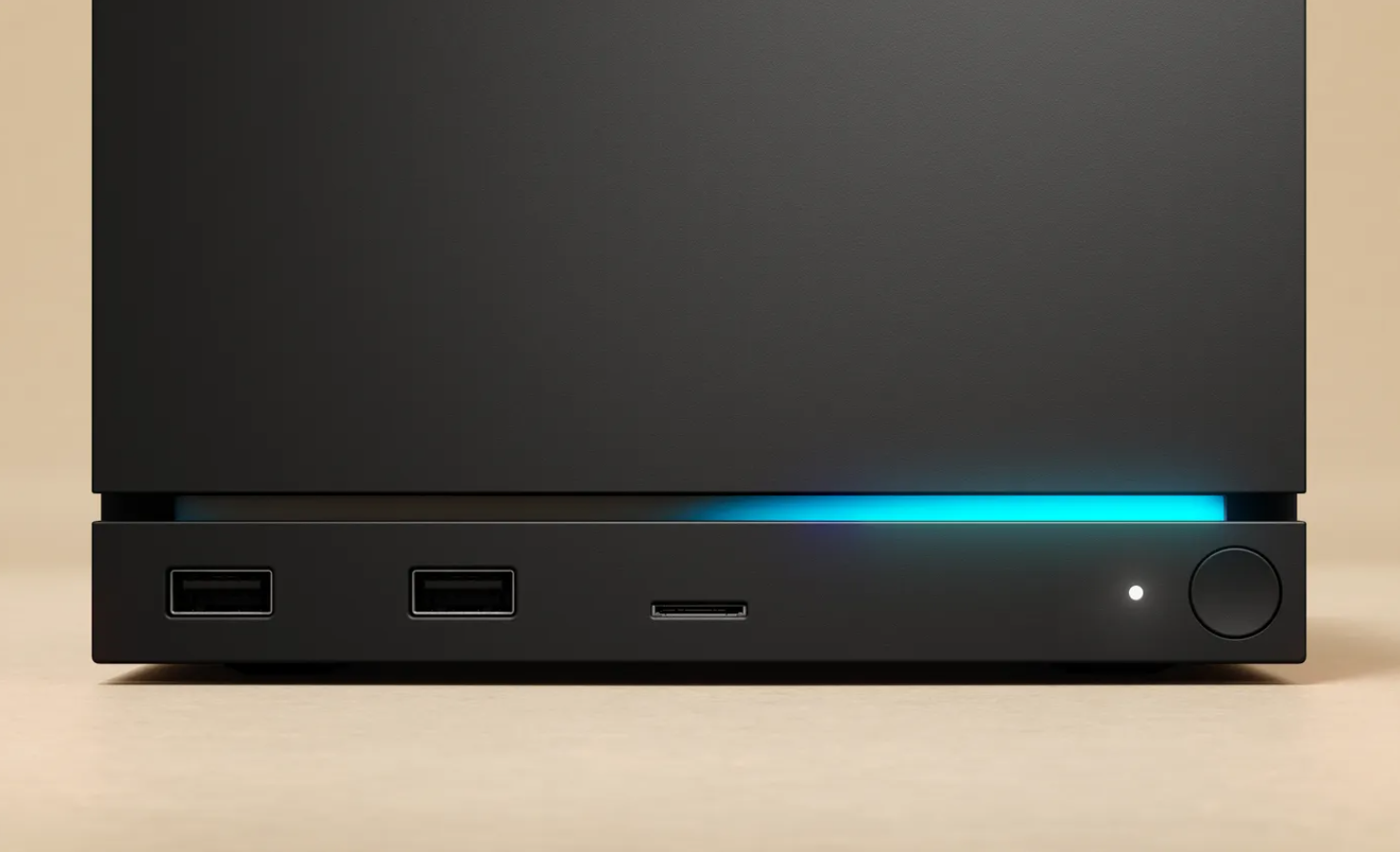
Valve’s new box is exactly that: a PC that behaves like a console in the living room.
- Fixed spec, small cube form factor.
- SteamOS big picture interface for couch use.
- Steam Machine Verified badges to show what runs well on this hardware.
- A controller that is treated as part of the ecosystem, not an afterthought.
It is essentially the hardware embodiment of “What if a Steam Deck lived under your TV instead of in your hands”.
If Valve can hit a price that is in the same ballpark as Series X and PS5, then there is suddenly another “plug it into a TV and it behaves like a console” option that is not owned by any of the traditional platform holders.
That does two things:
- It makes the PC space more console like.
- It makes the console space more PC like, because everything is now competing with an open platform that can also run non Steam launchers, emulators and general Windows style applications if you are willing to tinker.
For Xbox, which already leans heavily on Windows and PC for its ecosystem, that is a mixed bag.
Pressure points for the next Xbox
1. What unique role does Xbox hardware play?
Spencer has said that Microsoft will “definitely” keep making consoles, and more recently that in a multiplatform era they want to win “on capabilities”. In other words, if you are going to buy a box at all, Microsoft wants theirs to feel like the most capable one under your TV.
Steam Machine eats into that pitch because it gives you:
- A highly capable AMD based gaming box.
- The largest PC storefront in the world.
- Access to a ridiculous back catalogue of games, indies and emulators.
If performance is broadly in the PS5 class, and pricing is similar, then Xbox can not rely on teraflops alone to justify itself.
That pushes the next Xbox toward being:
- A very premium hybrid PC console, something Microsoft’s own leaked documents and later comments have hinted at for 2028, with cloud hybrid features and a PC like software stack.
- The best possible way to access Xbox services, rather than the only way.
2. Who owns the store?
Valve’s power comes from the fact that Steam is the default PC store. Microsoft has been slowly moving the Xbox app and Microsoft Store closer to that, but it is still miles behind in terms of library and mind share.
At the same time, Xbox leadership is already talking about more open stores and multi store support on future hardware. There is reporting that the next Xbox will allow more than one store on the device, rather than being a locked Microsoft only storefront.
If that happens, then an interesting symmetry appears:
- On PC and devices like Steam Machine, Microsoft wants the Xbox app and Game Pass to sit next to Steam.
- On next gen Xbox, Steam or other stores might sit next to the Microsoft Store.
In that world, Xbox hardware is less a locked console and more a branded, opinionated gaming PC that is tuned for the living room and happens to come with Xbox services preinstalled.
Steam Machine arriving now only increases the pressure on Microsoft to follow through on that vision.
3. Ecosystem versus device
Steam Machine cannot run Game Pass natively today, it is a Linux based SteamOS device, although you can stream via the browser. Xbox already runs on PC, Cloud and now co branded handhelds, and Microsoft owns a scary amount of content after the Activision acquisition.
If Valve can make the device side of the equation feel like a console, then Microsoft’s counter is to make the ecosystem side so strong that it does not matter where you play.
That means pushing harder on:
- Game Pass value and day one releases.
- Cross save and cross play.
- Consistent social features and achievements across all endpoints.
- Taking Xbox to more screens, including TVs via apps and streaming sticks.
The better they do that, the less threatened they are by any individual box, even one as neat as the Steam Machine cube.
So where does this leave Xbox?
To me, Steam Machine landing in 2026 does not so much undermine Xbox as highlight where the battle has moved.
- The fight is not “Xbox versus Steam Machine” in a simple spec comparison.
- The fight is “Xbox as a platform versus Steam as a platform” for your time, your friends list and your wallet.
In that context:
- Steam Machine validates the idea that a PC can feel like a console, which is exactly the direction Microsoft has been nudging Windows and Xbox toward.
- It forces Xbox hardware to be bolder with its PC hybrid story, because a closed, traditional console will look old fashioned next to open boxes from Valve and various handheld partners.
- It reinforces that Xbox’s real job now is to make “Xbox” feel present everywhere, whether that is a next gen console, an Ally style handheld, a PC tower or, yes, a Steam branded cube running Windows someday.
If Valve nails the price and UX of Steam Machine, Microsoft’s best play is not to out cube the cube. It is to make sure that when you buy any kind of gaming box in 2026 and beyond, your next thought is “Cool, how do I get Xbox on this?”
 Twice the bits
Leave a comment