The Future Of Xbox: Follow The Money, Not The Box
Windows Central has provided an update to all this by way of response from Microsoft directly. You can read the full story here – https://www.windowscentral.com/gaming/no-xboxs-next-gen-console-hardware-plans-arent-cancelled
UPDATE (Oct 5, 2025): Microsoft has provided the following statement, echoing our previous report: “We are actively investing in our future first-party consoles and devices designed, engineered and built by Xbox. For more details, the community can revisit our agreement announcement with AMD.”
https://www.windowscentral.com/gaming/no-xboxs-next-gen-console-hardware-plans-arent-cancelled
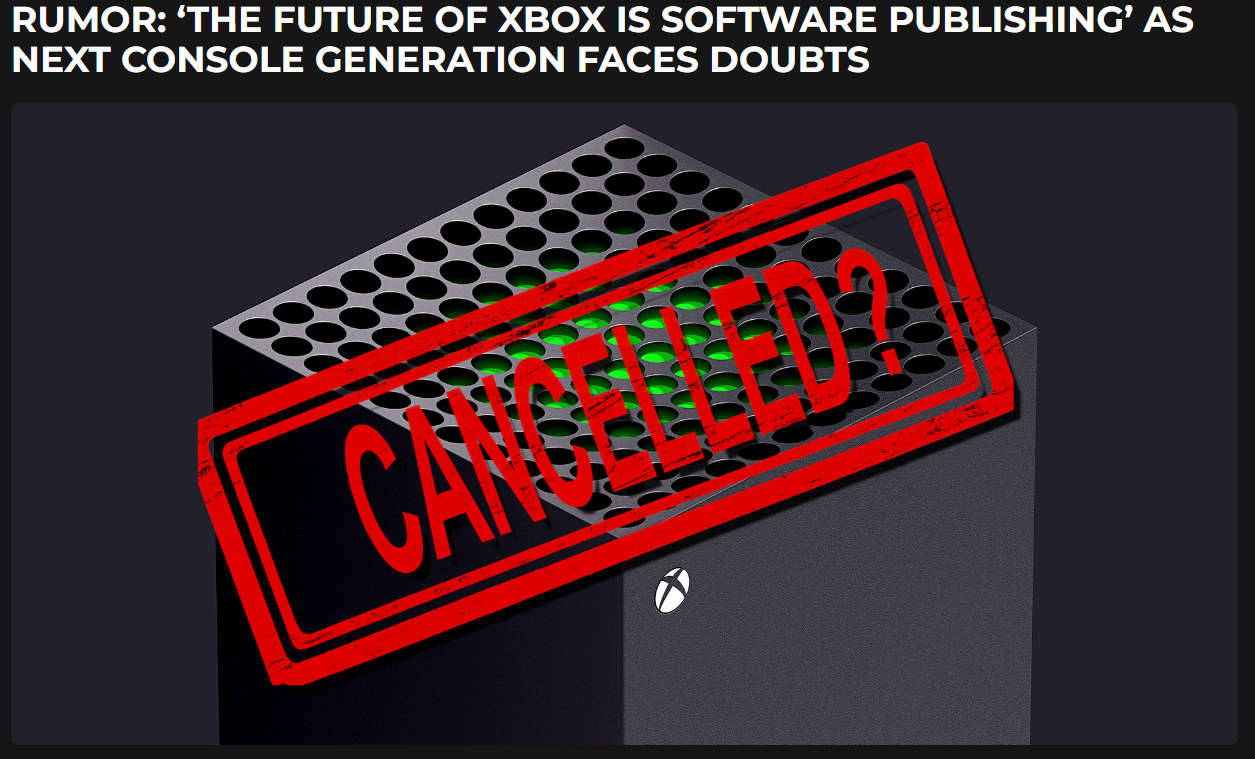
A fresh rumor says Microsoft’s next Xbox hardware plans are uncertain and that publishing everywhere is on the table. The financials point in that direction already.
TL;DR
- Post-layoffs, credible chatter says Xbox’s next-gen hardware went from “locked” to “up in the air,” with key pre-launch steps slipping.
- The Call of Duty on Game Pass bet hasn’t delivered as hoped; internal reviews are reassessing the plan.
- Retail signals are negative, with Costco already pulling Xbox and more retailers rumored to follow.
- Strategy pivots to software publishing first: double down on profitable IPs (CoD, WoW, Minecraft, Candy Crush, Forza Horizon).
- Cloud becomes the primary “Xbox platform,” with Game Pass as the entry ticket to xCloud and further price increases likely.
- Microsoft intends to ship games on any viable storefront or device.
- An OEM-made “Xbox” box is possible, but brand fatigue may make partners wary.
- Another large layoff round is expected in Q1 2026.
My take
There are reports of a recent AMD partnership for next gen silicon. Despite this, the direction of travel for Xbox looks away from devices. It is now more focused toward software and services. Will there be another console? Probably. Microsoft is leaning into AI and is chasing higher profitability. No one outside a small circle can say for certain what happens next. My bet is that there will be at least one more “proper” living room Xbox. There may also be a set of Windows handheld hardware partners. Additionally, a bigger shift into PC gaming is expected under the Xbox brand. The hardware keeps the brand visible; the business tilts toward subscriptions, publishing, and platform reach.
“In the long run, Microsoft does not need you to buy a box. It needs you to stay inside the Xbox economy.”
Why the rumor is plausible
Revenue mix: Most Xbox revenue now comes from content and services. Hardware is the minority slice.
Margin reality: Consoles usually run thin or negative margins, especially late in a cycle. IP, in-game spend, and subscriptions scale better.
Signals: Price reshuffles, cross-platform releases, and cloud tie-ins all point to software first, device second.
What SneakersSO actually said
- Next-gen hardware status: “plans for actual MS Xbox HW went from being definitive, to up in the air.” (NeoGAF)
- Strategic pivot: “the future of Xbox is software publishing.” (NeoGAF)
- Platform center of gravity: “Cloud gaming being the home of the ‘Xbox platform’.” (NeoGAF)
- Game Pass positioning: “GamePass… becoming the point of entry subscription for xCloud access.” (NeoGAF)
- Price direction: “will continue to drive its price tag higher.” (NeoGAF)
- Hardware branding possibility: “Maybe some OEM thing will take up the Xbox name.” (NeoGAF)
What this means for players
- Prices are going up: If you want to stay in Game Pass, plan for higher monthly costs. This is the strategy, not a blip.
- Owning the box may matter less: If first-party titles also land on PlayStation, Switch, Steam, or Battle.net, the hardware lock-in weakens. You can pick a device that suits you and still play the big franchises.
- Game Pass must re-prove its value: The service remains compelling if day-one first-party and a strong back catalog offset higher prices. If cadence slips or key games skip day one, the math gets tougher.
- Your optimal setup might change:
- Couch-first, simple life: buy the reference console and keep Game Pass.
- PC-centric: skip the box, buy games where you prefer, and consider PC Game Pass only if it saves money.
- On-the-go: a Windows handheld or cloud on a streaming puck could be enough if your library follows you.
If Xbox goes full third party
TL;DR
- Net effect: Shift from “buy our console” to “join our ecosystem” across TV, handheld, PC, and cloud.
- Upside: Bigger audience, more unit sales per title, better ROI on big budgets.
- Downside: Weaker reason to buy Xbox hardware if tent-poles are everywhere.
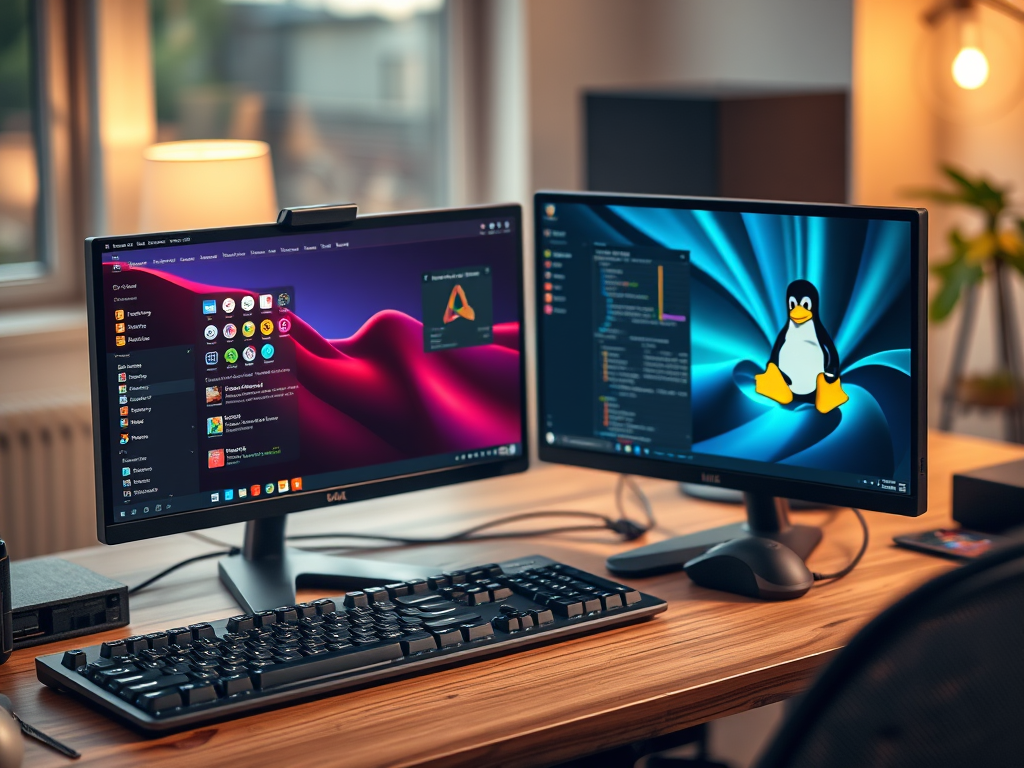
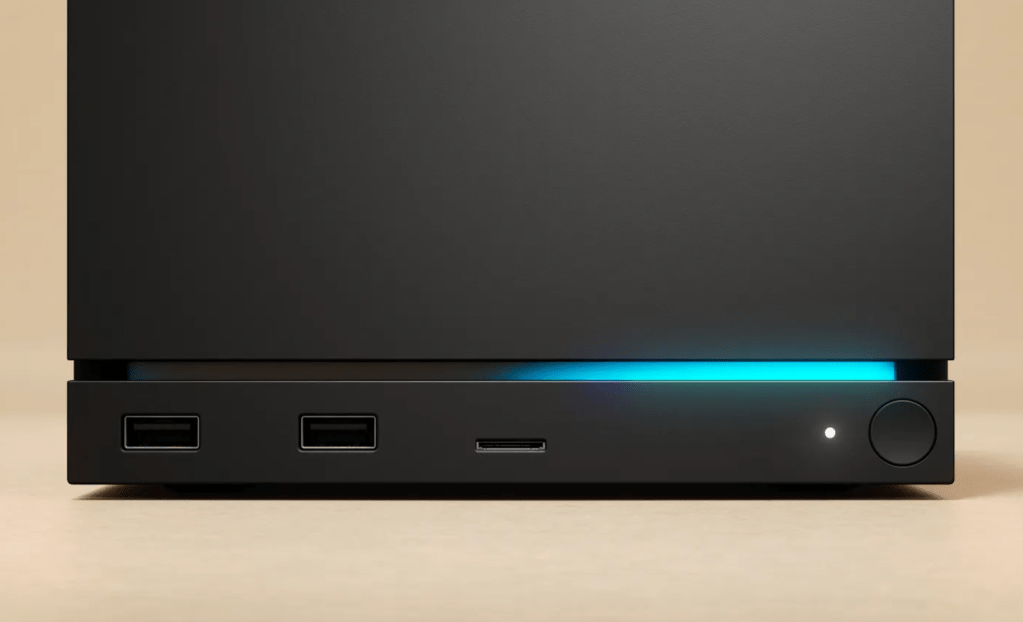
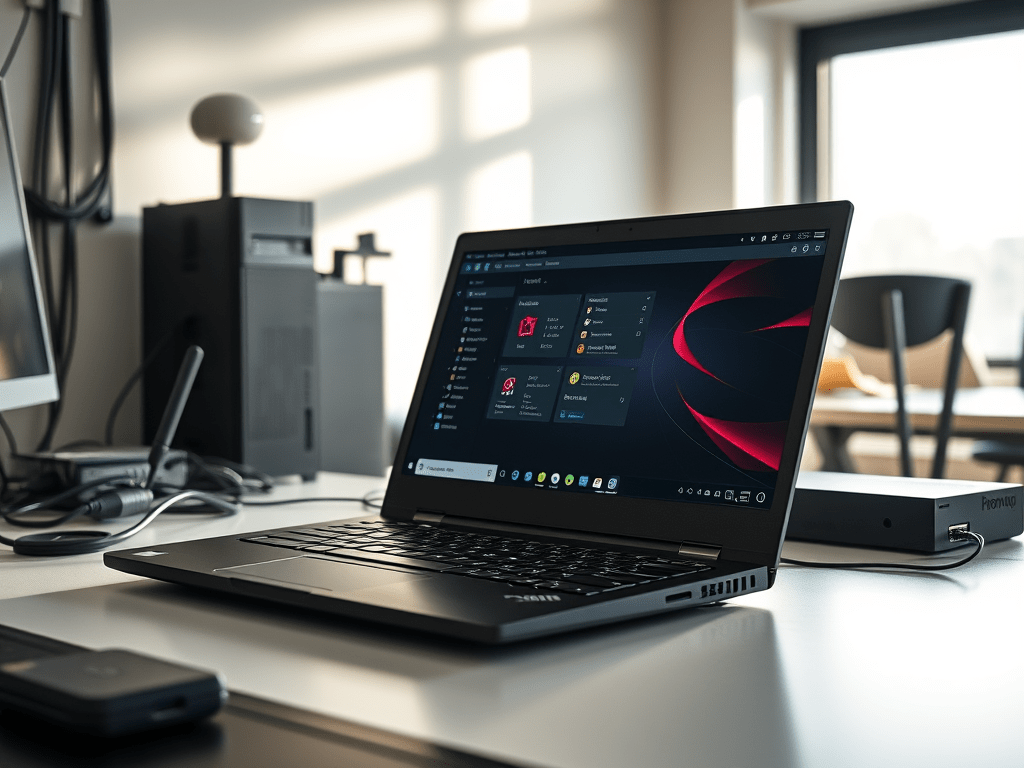
If Xbox goes fully third party, it would reach a larger audience. The upside includes higher unit sales per title and better returns on big-budget projects. The downside is weaker pull to buy Xbox hardware if tent-pole games land everywhere. The likely net effect is a shift from “buy our console” to “join our ecosystem.” The Xbox logo would follow you across TV, handheld, PC, and cloud. In that world, “an Xbox” could take several shapes. A reference living-room console would ensure a coherent experience. It would give first-party teams a reliable showcase. Additionally, it would reduce costs by limiting SKUs. A “PC in a box” would use standard components in a small chassis. It would be tuned for the Xbox app with a console-like interface. There would be driver optimization and sensible power profiles. Handheld partners could deliver Windows devices with an Xbox-first shell, quick resume, and controller-grade input for people who travel. A streaming puck could boot straight into the Xbox app and cloud, trading low entry price for strong subscription attachment.
For developers, publishing to rival platforms expands the total addressable market. It also smooths late-cycle sales dips. A tighter set of reference specs can shrink QA matrices. A PC-leaning approach also aligns tools and performance profiles more closely with Windows reality. Even so, an Xbox-branded device still matters. It anchors the ecosystem in the living room. It keeps the brand visible to families and casual buyers. It offers platform stewardship through a clear reference target for performance and features. This, in turn, sustains the retail presence that helps with partners and promotion.
There are real risks. Subscription price increases without a steady cadence of must-play releases will drive churn. If device shapes multiply without firm guardrails, the experience can fragment and feel inconsistent. If physical retailers reduce shelf space for consoles, Xbox will need stronger direct channels. It also requires deeper OEM routes to stay front of mind.
Bottom line
Follow the money. Xbox is increasingly a services and publishing business with a device attached, not a device business with services attached. There will likely still be an Xbox on your shelf. The logo will matter more than the shape of the box. Your choices broaden. Your subscription costs rise. The value will live or die on cadence and quality.
 Twice the bits
Leave a comment