
Steam Deck – Buy it here
ASUS ROG Ally – Buy it here
ASUS ROG Xbox Ally – Buy it here
Legion Go – Buy it here
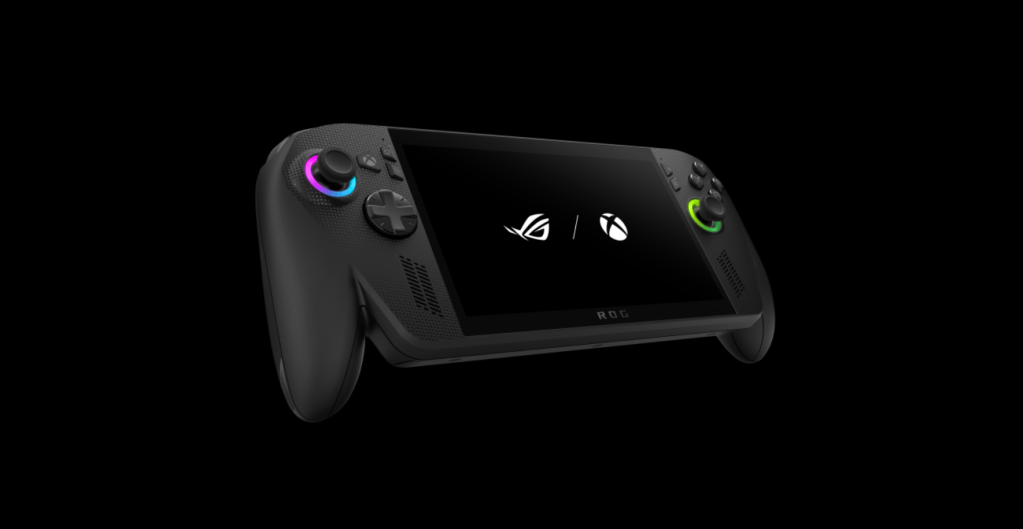
Handheld PC gaming has moved fast since Steam Deck proved the concept, and an Xbox-branded device has been rumored for a long time. Now the Asus ROG Xbox Ally is official, pre-orders are live, and the pricing puts it in premium territory. If you have been waiting to see what the Xbox take on a handheld PC would look like, this is the moment to judge it against the rest of the field.
Here we move past launch buzz and dig into the stuff that matters. Screen quality and refresh rate. Likely frame rates at sensible settings rather than lab numbers. Battery capacity and what that usually means for play time. Thermals and fan noise that decide whether a train ride feels short or long. How close the Xbox-first Windows shell gets to a console-like experience, and where Windows still asks for a little tinkering. Finally, how all of that stacks up against price.
With pre-orders and pricing live, the question is not if Xbox can make a handheld PC. It is whether the Ally earns its premium against OLED rivals and high-end Windows competitors.”
If you are choosing between the Ally, the Ally X, Steam Deck OLED, or another Windows handheld, the comparisons below should help you decide today.
Xbox Ally vs the handheld field: price, power, and what you actually get
Asus and Microsoft’s co-branded ROG Xbox Ally is already causing stock scrambles. But at premium pricing, how does it stack up against Steam Deck OLED, Lenovo Legion Go 2, and MSI’s Claw 8 AI+? Let’s break down the raw specs, likely performance, and value—for people who want to play more than they want to tweak.
“Pre-orders are moving fast—Microsoft says ‘the hype is real.’” (Windows Central)
TL;DR
- Xbox Ally (base) lands at $599 / £499 with AMD’s Ryzen Z2 A, 16GB RAM, 512GB SSD, 7″ 1080p/120Hz IPS, and a 60Wh battery. Think: capable 1080p handheld PC with a console-like Xbox layer on Windows 11. (Windows Central)
- Xbox Ally X jumps to $999 / £799 with Ryzen AI Z2 Extreme, 24GB RAM, 1TB SSD, and 80Wh battery. Early hands-ons show the X pushing higher frame rates and longer runtimes, but you’re paying laptop money. (Tom’s Guide)
- Versus the field: Steam Deck OLED remains the value/efficiency champ (HDR OLED, 800p/90Hz, much cheaper), while Legion Go 2 and MSI Claw 8 AI+ sit in similar or higher price brackets with bigger screens or more RAM—but mixed early sentiment. (Steam Deck)
- Xbox Ally: $599 / £499, launches Oct 16, 2025. Widely available across major retailers. (Windows Central)
- Xbox Ally X: $999 / £799, Oct 16, 2025. Stock tighter; some regions already showing sellouts/back-orders. (The Verge)
“Both models are full Windows 11 handheld PCs with a streamlined Xbox-first shell.” (Tom’s Guide)
Specs at a glance
| Device | CPU / Platform | RAM | Storage | Display | Battery | OS | Price (USD/GBP) |
|---|---|---|---|---|---|---|---|
| Xbox Ally | AMD Ryzen Z2 A | 16GB LPDDR5 | 512GB M.2 2280 | 7″ 1080p 120Hz IPS + VRR (500 nits) | 60Wh | Windows 11 + Xbox layer | $599 / £499 (Buy Now) |
| Xbox Ally X | AMD Ryzen AI Z2 Extreme (Zen 5 + NPU) | 24GB LPDDR5X | 1TB M.2 2280 | 7″ 1080p 120Hz IPS + VRR (500 nits) | 80Wh | Windows 11 + Xbox layer | $999 / £799 (Buy Now) |
| Steam Deck OLED | Custom AMD APU (6nm) | 16GB | 512GB / 1TB | 7.4″ 800p 90Hz HDR OLED | 50Wh | SteamOS | from €679 / ~£569–£609 (1TB near £609) (Buy Now) |
| Lenovo Legion Go 2 | AMD Ryzen Z2 / Z2 Extreme | 16–32GB | 512GB–1TB | 8.8″ 144Hz OLED (VRR) | 74Wh | Windows (some SKUs SteamOS on S line) | from ~$1,049–$1,099 (varies) (Buy Now) |
| MSI Claw 8 AI+ | Intel Core Ultra 7-258V | 32GB | 1TB | 8″ 1080p 120Hz (VRR) | ~80Wh | Windows 11 | ~$999 MSRP (Buy Now) |
Notes: Ally/Ally X both use IPS (no OLED); Ally X adds a second, faster USB port (USB4). Exact regional pricing varies. (Windows Central)
Likely performance (early signal, not final reviews)
Lets take a look at some of the early impressions people have of the new Xbox handheld.
- Xbox Ally X: Hands-on testing shows strong gains, reports of up to ~90 FPS in demanding titles under tuned settings, plus noticeably better ergonomics and battery endurance from the 80Wh pack. Expect the X to outpace Steam Deck OLED and the base Ally, especially at 900p–1080p with FSR/frame tech. (Tom’s Guide)
- Xbox Ally (base): Same 7″ 1080p/120Hz panel, 60Wh battery, and a leaner Windows/Xbox shell should make it a solid “most games at medium-ish settings” handheld, but not the performance king. (Microsoft)
- Steam Deck OLED: Still the best screen and best efficiency combo at its price—800p targets with excellent battery life and minimal tinkering on SteamOS. Raw FPS trails the Ally X, but user experience remains superb for the money. (Steam Deck)
- Legion Go 2: Big 8.8″ OLED and detachable controls are compelling; pricing is high and supply is fluctuating (pre-order delays/cancellations reported). Performance with Z2 Extreme should be broadly comparable to high-end Windows handhelds, pending final reviews. (Tom’s Hardware)
- MSI Claw 8 AI+: Specs are beefy (32GB RAM, 80Wh class battery), but Intel’s Ultra 7 handheld performance is inconsistent across titles; some reviewers love the hardware, others flag the price/perf balance. (MSI)
“Early Ally X impressions cite premium comfort and high frame rates—but call out fan noise and the lack of OLED.” (Tom’s Guide)
Value check: expectation math at this price
- £499 / $599 tier (Xbox Ally): Competes more with Steam Deck OLED than with $1k handhelds. If you want Xbox-centric Windows flexibility (Game Pass PC, mods, launchers) and can live with IPS and some Windows housekeeping, the base Ally makes sense. If you prioritise OLED + efficiency + price, Steam Deck OLED still wins on feel-good value. (Windows Central)
- £799 / $999 tier (Ally X, Claw 8 AI+, Legion Go 2): At “laptop money,” expectations rise. The Ally X answers with Z2 Extreme, 24GB RAM, 1TB, and 80Wh in a refined shell—arguably the most balanced Windows option at this price today. Legion Go 2’s 8.8″ OLED is gorgeous but pricier and harder to find right now; MSI Claw offers big battery and 32GB RAM, but mixed real-world results dull its value proposition. (@ROG)
The Xbox angle
Microsoft and Asus aren’t hiding it: this is a Windows handheld with an Xbox-first UI—aggregated libraries, an Xbox button for Game Bar, and controller-led navigation to reduce the usual Windows overhead. That’s the pitch that makes Ally feel “console-ish” on the road, especially if your library lives across Game Pass, Steam, and Epic. (Tom’s Guide)
“It’s still a PC under the hood, but the new Xbox layer trims the friction we used to associate with Windows handhelds.” (Tom’s Guide)
Who should buy what?
- Travelling Xbox/PC player, wants the strongest Windows handheld today → Xbox Ally X. Best balance of power, battery, ergonomics in this class, if you accept the price. (@ROG)
- Value-minded, hates fiddling → Steam Deck OLED. Lower price, OLED, excellent efficiency and UX. You’ll trade some peak FPS and native Windows compatibility. (Steam Deck)
- Big screen first → Legion Go 2. 8.8″ 144Hz OLED and detachable pads are unique, but watch price and availability. (Lenovo)
- Spec chaser who wants 32GB RAM / Intel curiosity → MSI Claw 8 AI+. Great battery and features; performance varies by title. (MSI)
- Windows flexibility at the lowest price → Xbox Ally (base). Feels like a spiritual replacement for the original Ally entry model at a fairer tag than many rivals. (Windows Central)
Bottom line
The Xbox Ally X is the most convincing premium Windows handheld right now, and the market seems to agree, judging by fast sell-outs. But the base Ally is the sleeper: it undercuts most Windows competitors while keeping the same 120Hz screen and Xbox-friendly shell. If you’re travelling a lot and want “console feels, PC freedom,” either Ally gets you there. If your heart says “OLED and simplicity,” the Steam Deck OLED still hits a sweeter value note.
Steam Deck – Buy it here
ASUS ROG Ally – Buy it here
ASUS ROG Xbox Ally – Buy it here
Legion Go – Buy it here
 Twice the bits
Leave a comment