
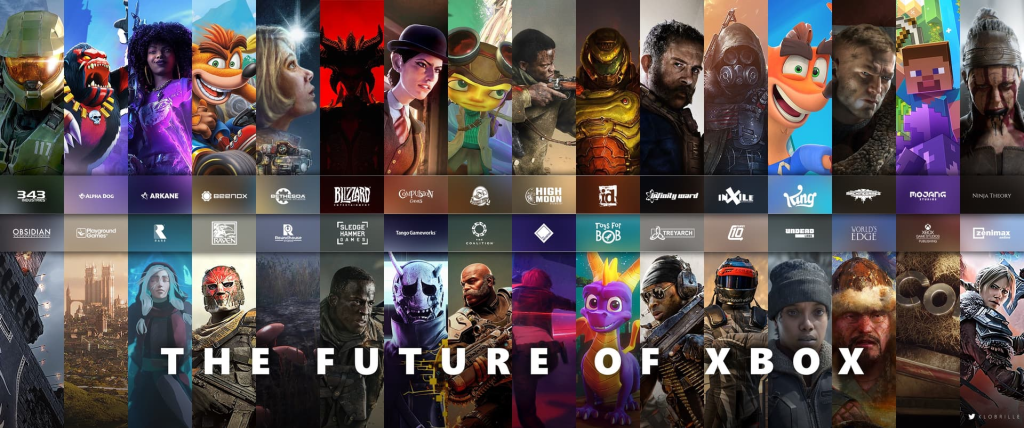
When gamers talk about the value of a video game today, they rarely mean the same thing they did a decade ago. Thirty years of boxed retail, followed by a decade of digital storefronts, conditioned players to view price as a one‑off transaction. Two disruptive models;
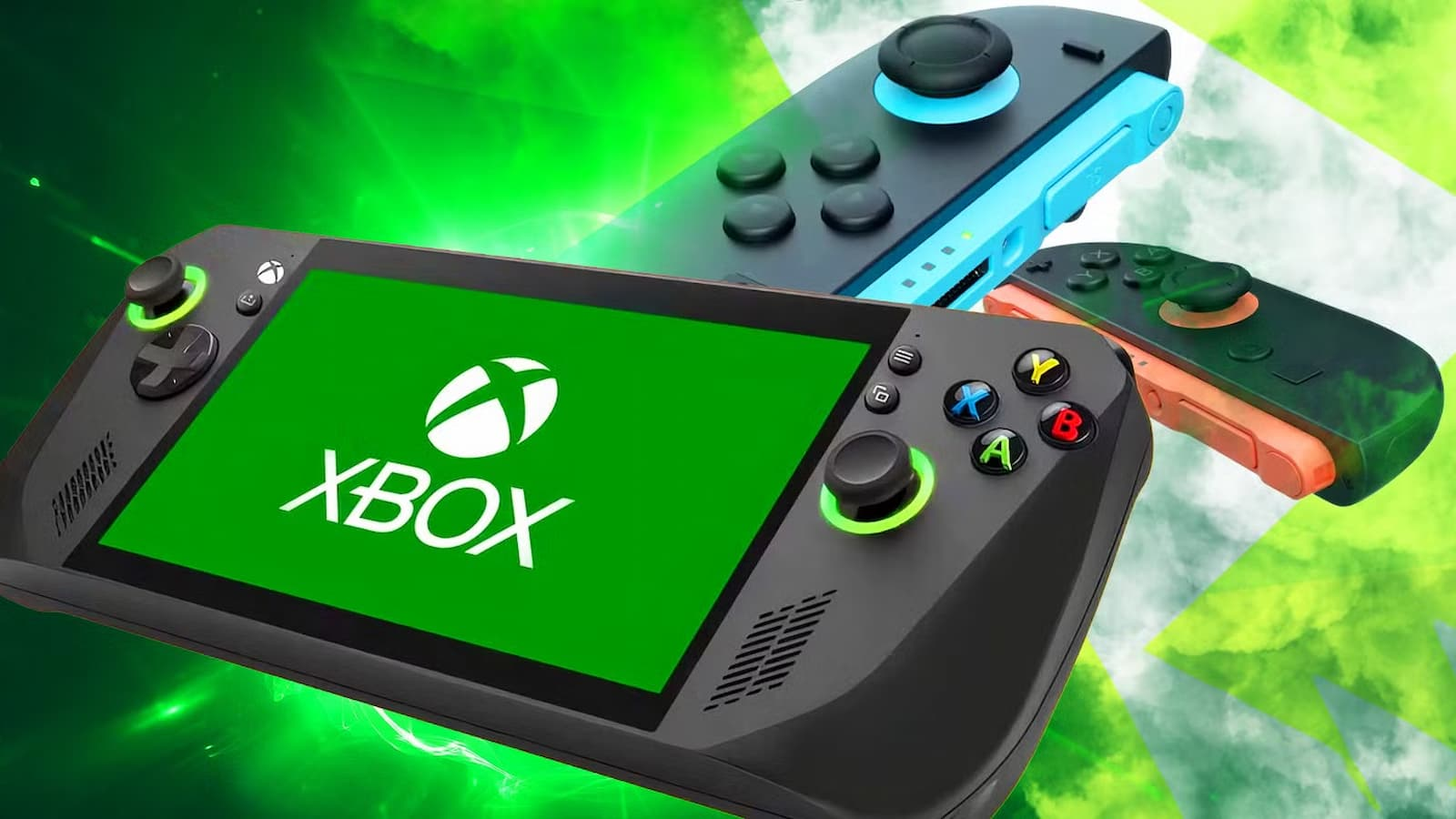
Xbox Game Pass and free‑to‑play (F2P) platforms like Fortnite and Roblox, have reshaped that mental calculus. Which has had the bigger negative impact on perceived game value?
Here we look at both models through three lenses: price anchoring, attention economics, and developer economics, using fresh 2024‑25 data.
Game Pass: The Netflix‑for‑Games Anchor
| Metric | 2025 Snapshot | Source |
|---|---|---|
| Subscribers | 34 million+ global subs (most on the £14.99 / $19.99 tier) | Windows Central |
| Content Spend | Individual deals range $50 K – $50 M per title | Windows Central |
| Recurring Revenue | ≈ $340 M monthly (subs only) | Windows Central |
“Game Pass deals ranged from $50K to $50M… generating at least $340 million monthly from 34 million+ subscribers.” – Windows Central
Subscribers browse Game Pass like Netflix, sampling genres they would never gamble £70 on, abandoning titles after a session with no sunk‑cost guilt. This playlist culture forces devs to front‑load the wow: fail to hook in 15 minutes and you become backlog décor.
How Game Pass Shifts Price Expectations
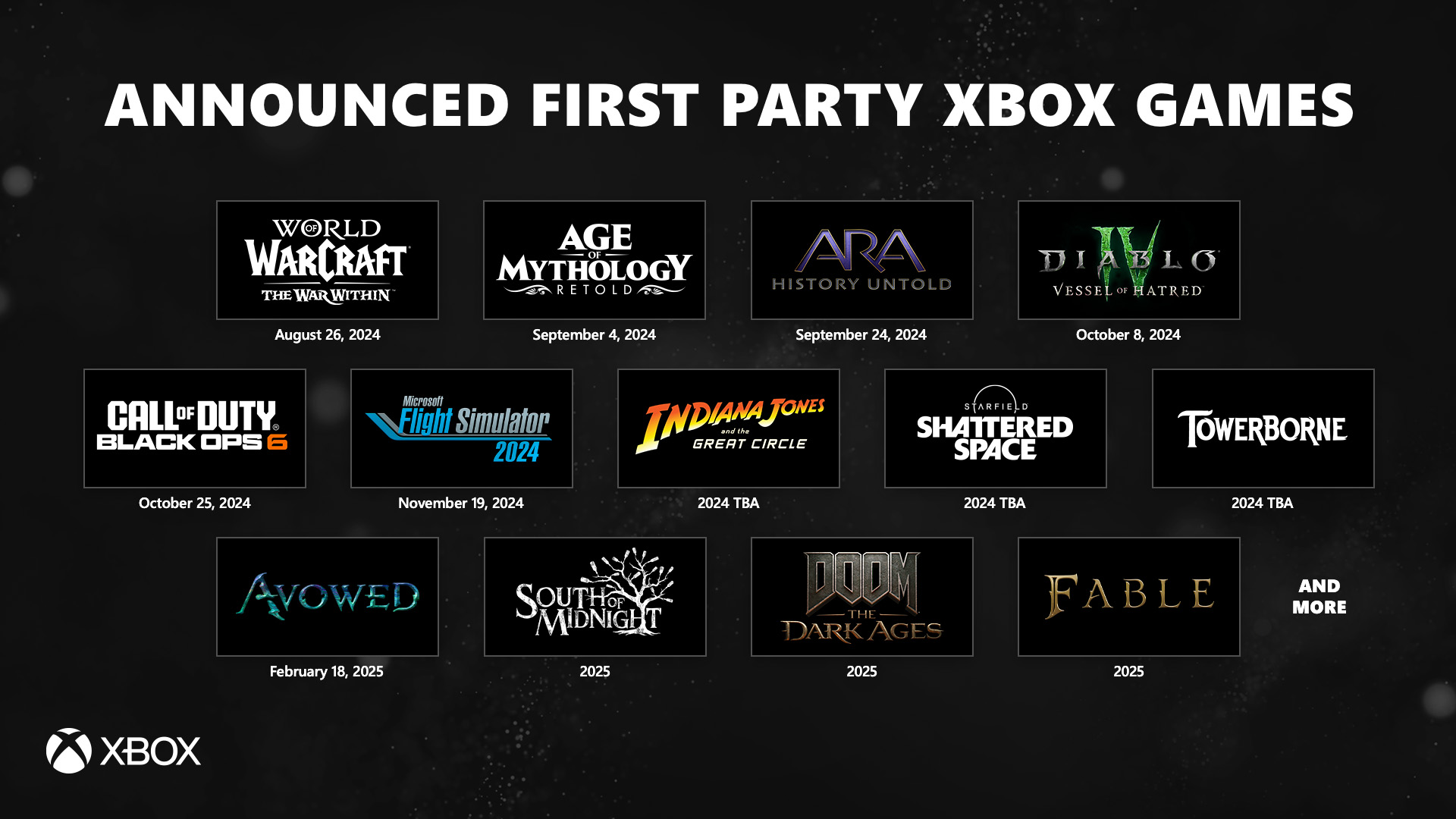
- Subscription Anchoring – £14.99/mo pushes the marginal cost of each new game toward £0.
- Cannibalisation Evidence – Launching into Game Pass can cut premium Xbox sales by ≈ 80 % (https://www.thefpsreview.com/2025/01/08/…).
- Ownership Erosion – A “rent, don’t own” mindset mirrors Spotify’s impact on album collections (https://www.forbes.com/sites/paultassi/…).
Free‑to‑Play: The Zero‑Price, Infinite‑Spend Paradigm
| Platform | Users / Engagement | 2024‑25 Revenue | Source |
|---|---|---|---|
| Fortnite | 650 M accounts, avg. 6–10 hrs/wk | $6 B | DemandSage |
| Roblox | 77.8 M DAUs; 3.5 B hrs (Mar 2025) | $4.3 B proj. | SQ Magazine |
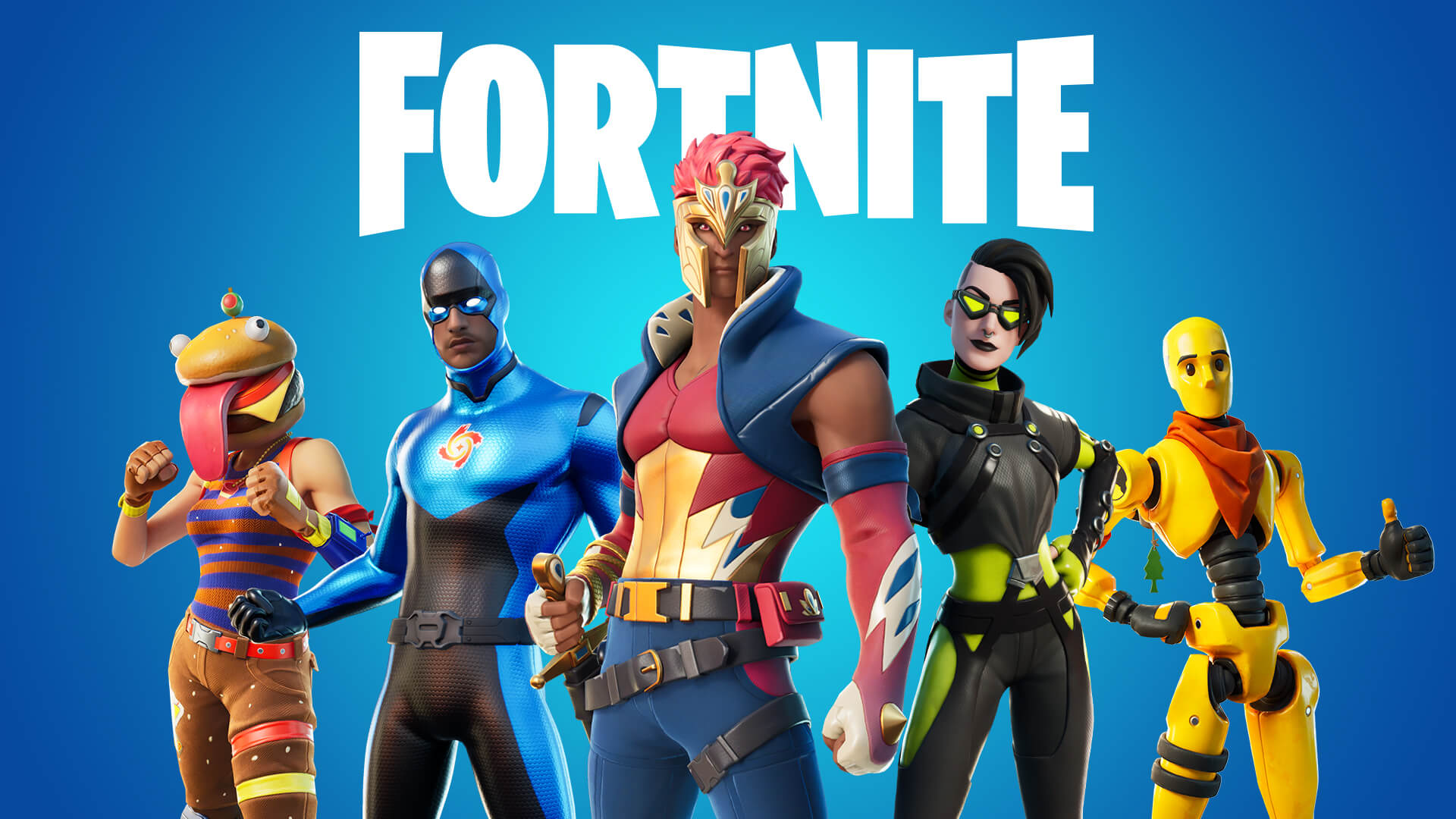
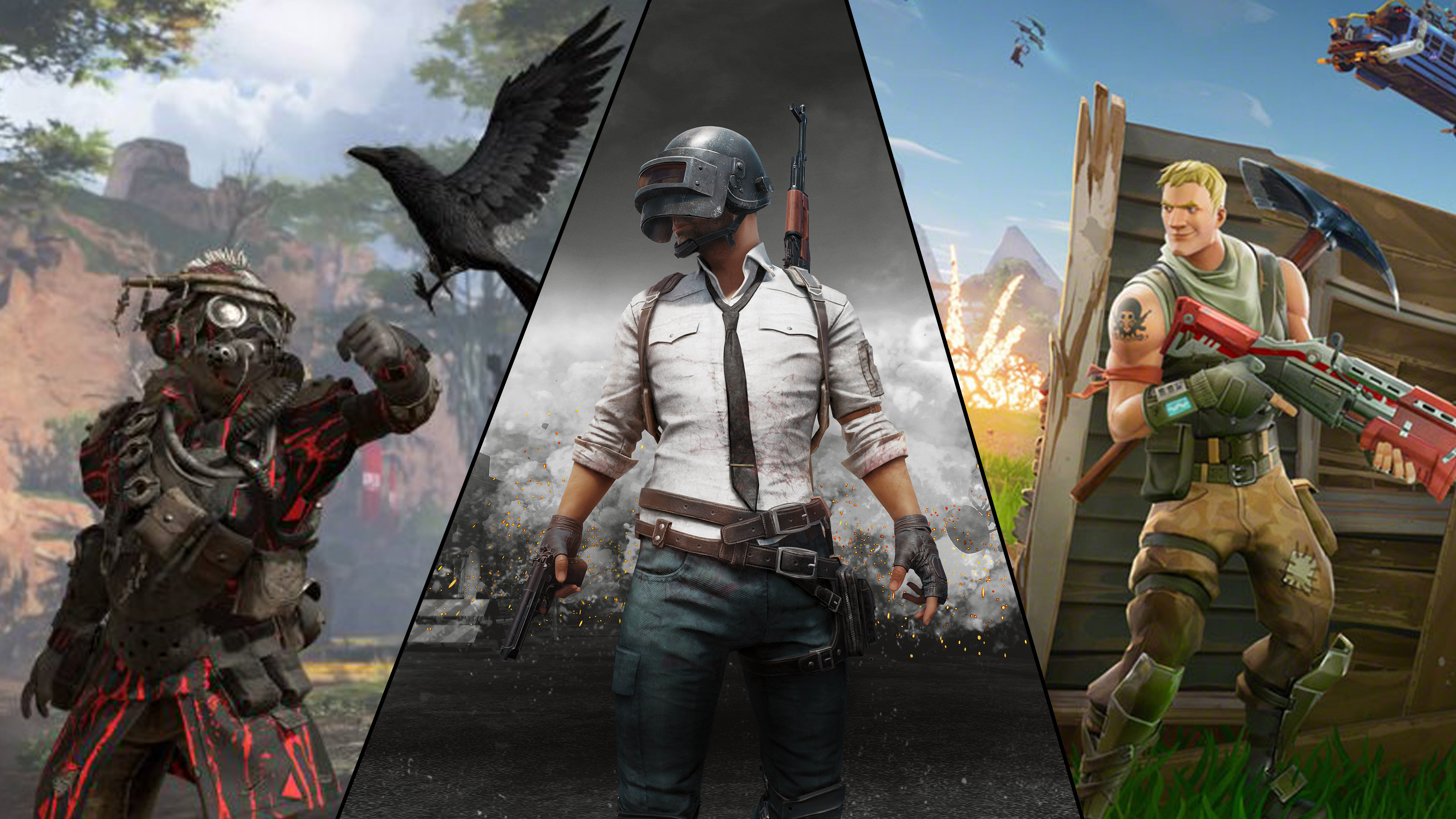
For Gen Alpha, Fortnite is a digital campus quadrangle. Meet friends, catch a Travis Scott concert, show off your skins. FOMO turns cosmetics from vanity to cultural ticket; Epic earns billions while charging nothing at the door.
Expectation Setting
- Zero Up‑Front Cost – Default entry price is free.
- Monetisation Ubiquity – Battle passes & skins normalise micro‑spend.
- Parental Backlash – Epic’s $245 M FTC settlement over kids’ spending (https://www.marketwatch.com/…).
Attention Economics: Subscription vs F2P
| Dimension | Game Pass | Free‑to‑Play |
|---|---|---|
| Entry Barrier | Fixed fee | £0 entry, optional spend |
| Retention Hook | Catalogue drops, cloud perks | Live events, UGC, social graphs |
| Avg. Weekly Time | Lower than F2P titans | Fortnite 6–10 hrs; Roblox > TikTok among tweens |
| Winner‑Take‑Most? | Breadth fights churn | Network effects lock users in |
A player may trial three indies on Game Pass and commit to none, frictionless switching reduces attachment. In Fortnite/Roblox, friends and seasonal quests hold you until bedtime.
Insight: F2P owns minutes; Game Pass owns dollars per active user.
Developer Economics & Risks
| Risk Factor | Game Pass | Free‑to‑Play |
|---|---|---|
| Up‑Front Revenue | Lump‑sum deal cushions risk, caps upside | £0 unless whales convert |
| Long‑Tail Sales | Premium sales cannibalised (‑80 %) | Unlimited via cosmetics/UGC |
| Cost of Live‑Ops | Needed to stand out in catalogue | Mandatory treadmill |
| Discoverability | Curated, crowded shelf | Algorithmic boom‑or‑bust |
A Game Pass cheque guarantees payroll but may trap you in Microsoft’s cadence. F2P demands years of negative cash flow. Epic reportedly burned $2 B before Fortnite turned profitable. Either way, live‑ops endurance is table‑stakes.
Which Model ‘Devalues’ Games More?
| Lens | Heavier Impact | Why |
|---|---|---|
| Price Anchoring | Game Pass | £14.99/mo resets willingness to pay £69.99 retail |
| Time Valuation | Free‑to‑Play | Captures billions of hours; equates value with community time |
| Perceived Quality | Both | Backlogs overwhelm; F2P flood of clones |
| Cultural Expectation | Free‑to‑Play | Gen Alpha assumes online games launch free + cosmetics |
Beyond the Scoreboard – Nuances & Trade‑offs
- Economic Gravity – GP concentrates revenue; F2P concentrates engagement.
- Player Psychology – Subscription guilt vs F2P fatigue.
- Regional Realities – In Brazil Roblox is liberation; in UK Game Pass is bargain buffet.
- Hybrid Futures – Games debut F2P then join subs, chasing both wallets & minutes.
Overall Take: Game Pass erodes the monetary benchmark (sticker price); F2P erodes the psychological benchmark (up‑front cost). Which hurts more depends on whether you count unit revenue or engagement hours.
Conclusion
Games have slipped the moorings of the one‑time sale. Game Pass makes price feel abstract; F2P makes price feel obsolete. Together they reframe value around two scarcer commodities: attention and identity.
What Happens Next
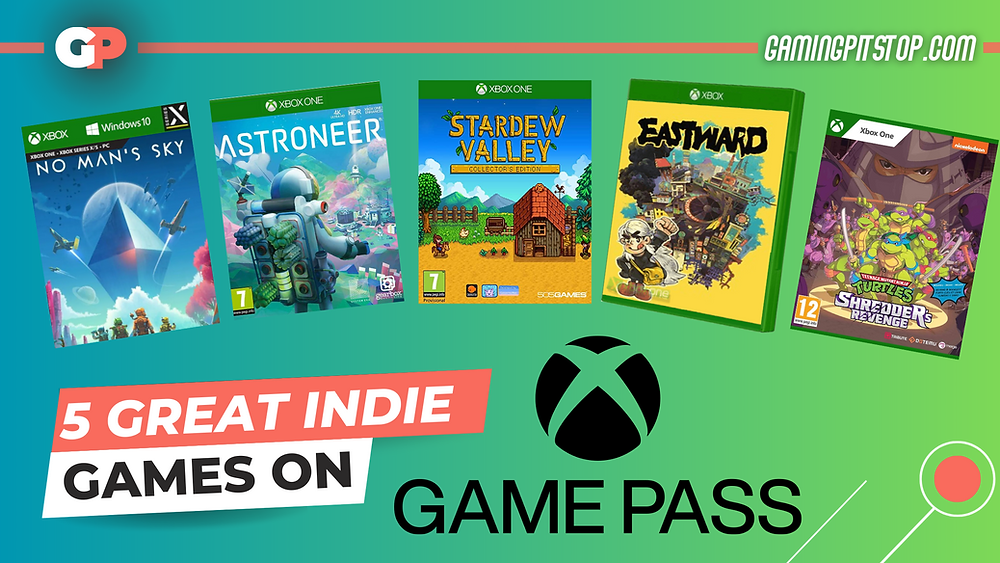
Subscription catalogues and F2P platforms will not collide so much as intertwine. Expect a future where publishers bundle multiple services, EA Play, Ubisoft +, Netflix Games into cable‑style packages, each racing to keep us locked in with ever‑fresh catalogues. At the same time, AI‑driven personalisation will tailor seasons, difficulty spikes, even shop‑fronts to each player, squeezing extra minutes out of every session. Regulators, wary of predatory monetisation and dark‑pattern renewals, will add friction in the EU and UK, nudging studios toward clearer odds and easier cancellations. And hovering alongside the mega‑services, a vibrant counter‑culture of buy‑once, keep‑forever indies will flourish, itles like Balatro or Stardew Valley that owe their appeal precisely to standing apart from subscriptions and season passes.
Strategic Imperatives
For studios and platforms, survival depends on more than raw MAU charts. The next phase of competition will reward teams that track meaningful hours. Time that forges community and affinity, not just log‑ins. The most successful services will also build graceful off‑ramps: letting players pause a pass or a battle‑pass season without feeling punished, trusting that goodwill begets return visits. Finally, content must rediscover a measure of craftsmanship and surprise. Procedural events and XP rails keep the machine running, but memorable moments—the sort players clip, stream, and share still hinge on artisanal design. Price tags may fade, but in the recalibrated market, value lives on in evenings well‑spent and stories worth retelling.
In the recalibrated market, price tags fade but value lives on in the moments worth logging in for.
 Twice the bits
Leave a comment