
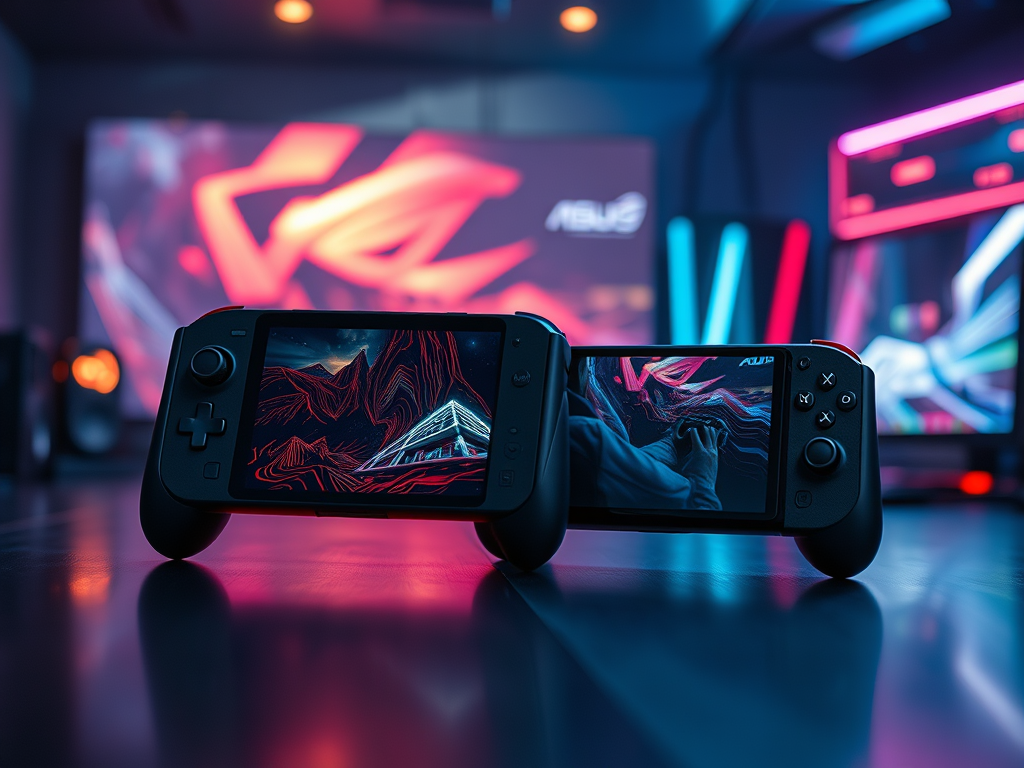
Still not bought a gaming handheld? We’ve got you covered.
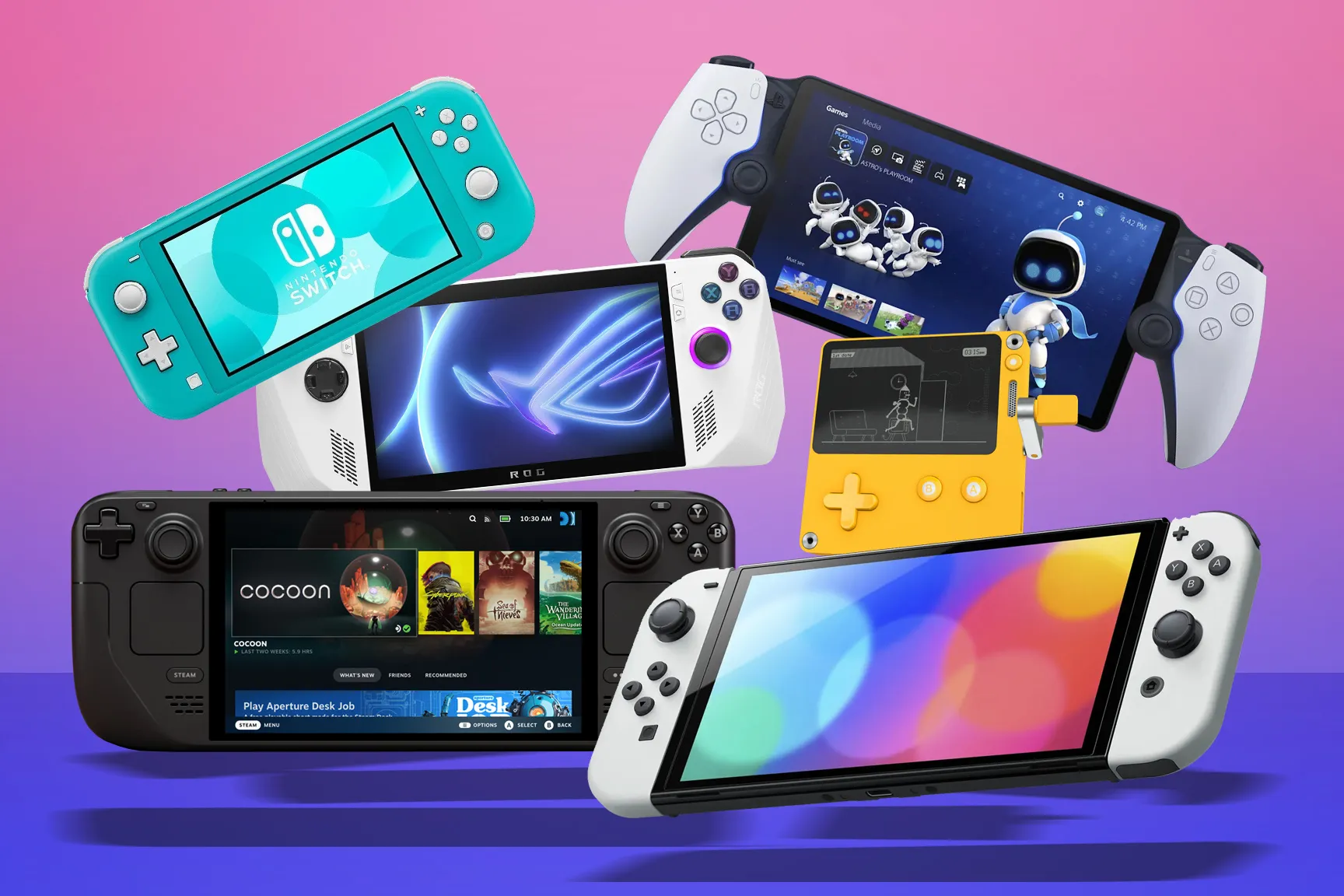
Introduction
Handheld gaming has surged back into the spotlight in 2025, fueled by a wave of powerful, feature-rich devices that cater to every kind of player, from casual adventurers to hardcore PC gamers. With the rise of cloud gaming, more power-efficient chips, and high-refresh OLED displays, the new generation of handhelds is redefining portable play.
As someone who travels frequently for work, I often find myself with downtime in airport lounges or alone in hotel rooms in the evening. My backlog of single-player games keeps growing, especially those that don’t rely on a fast internet connection but do demand my time and attention. A handheld gaming device ticks so many of the right boxes. But with so many choices on the market, which one should you buy in 2025?
In this guide, we break down the top 5 handheld gaming devices available this year. We cover each device’s strengths, weaknesses, key specifications, and help you decide which is best for your needs. Whether you prioritize raw power, battery life, display quality, or price, there’s a handheld here for you.
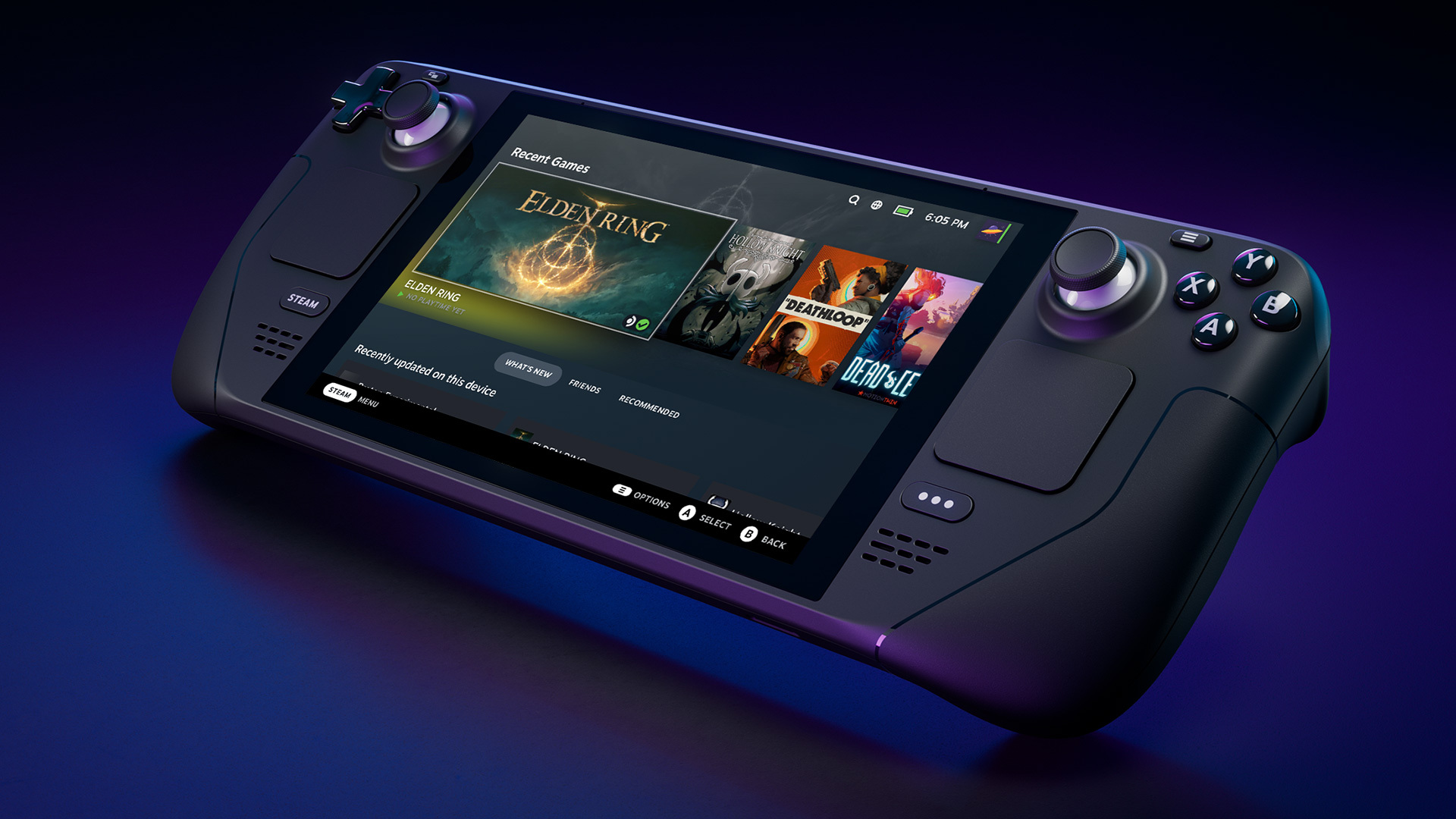
Steam Deck OLED (512 GB / 1 TB)
Pros
- 7.4″ HDR OLED display with deep contrast and smooth motion
- Solid battery life compared to Windows competitors
- Integrated, console-like SteamOS experience
Cons
- Outpaced in performance by newer chips
- SteamOS has some software limitations
- Less ideal for non-Steam gaming
Price: Approx. $650 / £520
Link: Get your Steamdeck here
Best for: Gamers who want straightforward, console-style performance in a simple and budget-friendly package.
Valve’s refreshed Steam Deck OLED brings a meaningful upgrade to its original handheld, replacing the LCD with a 90Hz HDR OLED panel. It offers better battery life due to improved efficiency and thermals and retains Valve’s tight integration with SteamOS. Though based on older architecture, performance is strong enough for indie titles and many AAA games at 800p. The Steam Deck OLED balances comfort, usability, and cost in a way that makes it appealing to most players.
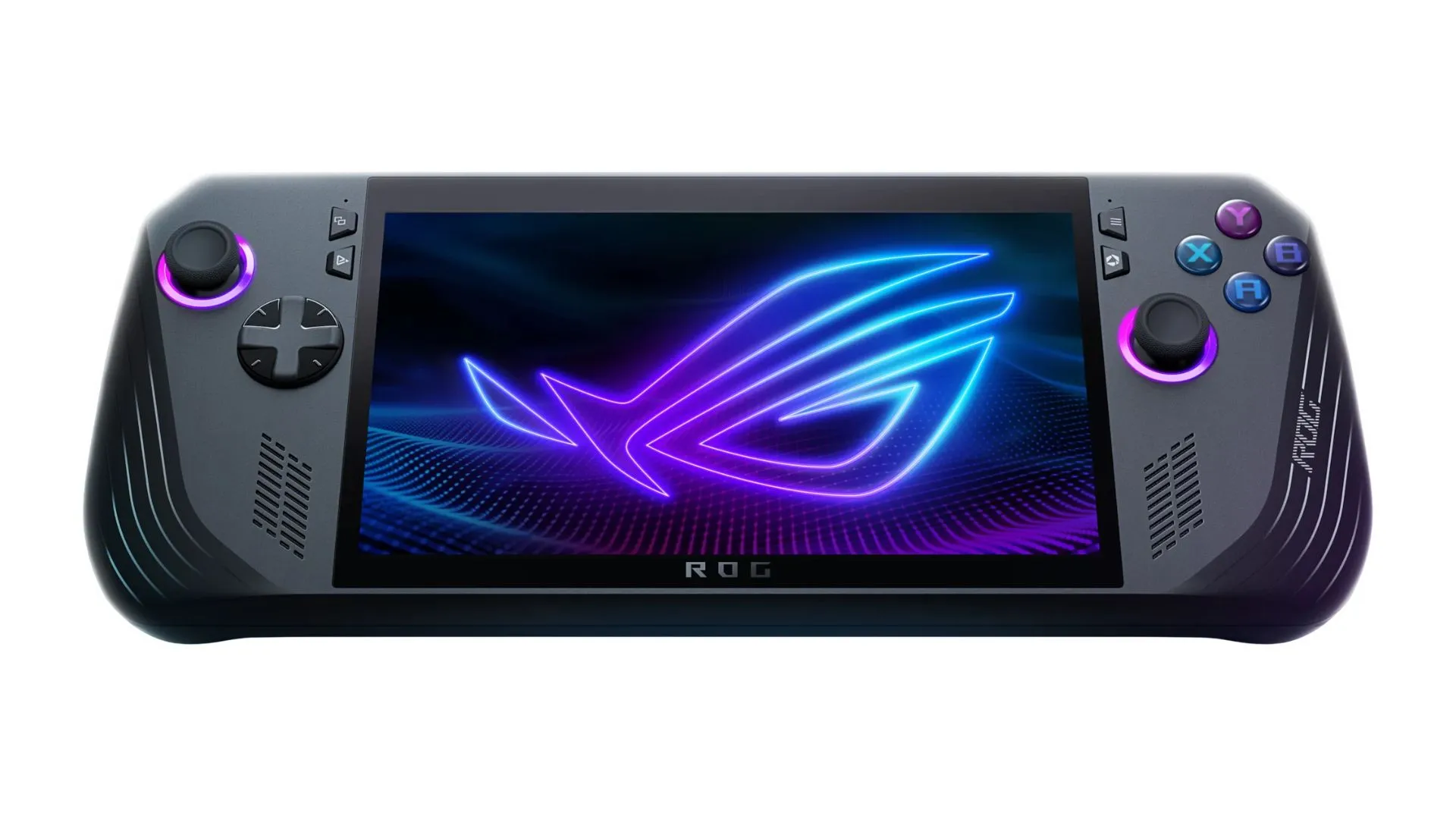
ASUS ROG Ally X
Pros
- High-end performance with Ryzen Z1 Extreme
- Long battery life and smooth 120Hz display
- 24GB RAM and 1TB SSD offer flexibility for larger games
Cons
- Windows 11 can feel awkward on a handheld
- Higher price than competitors
- Slightly heavier
Price: Approx. $650 / £520
Link: Get your Asus ROG Ally here
Best for: PC gamers looking for top-tier performance in a compact form factor.
The ASUS ROG Ally X improves on the original Ally with more RAM, storage, and better thermals. It’s one of the most capable Windows handhelds out there, capable of running demanding titles with decent frame rates. The 120Hz display keeps gameplay fluid, and battery upgrades support longer sessions. While Windows can still be cumbersome to navigate on a small screen, ASUS’s software helps streamline things. It’s a strong option for users who want portable power and are comfortable tweaking settings.
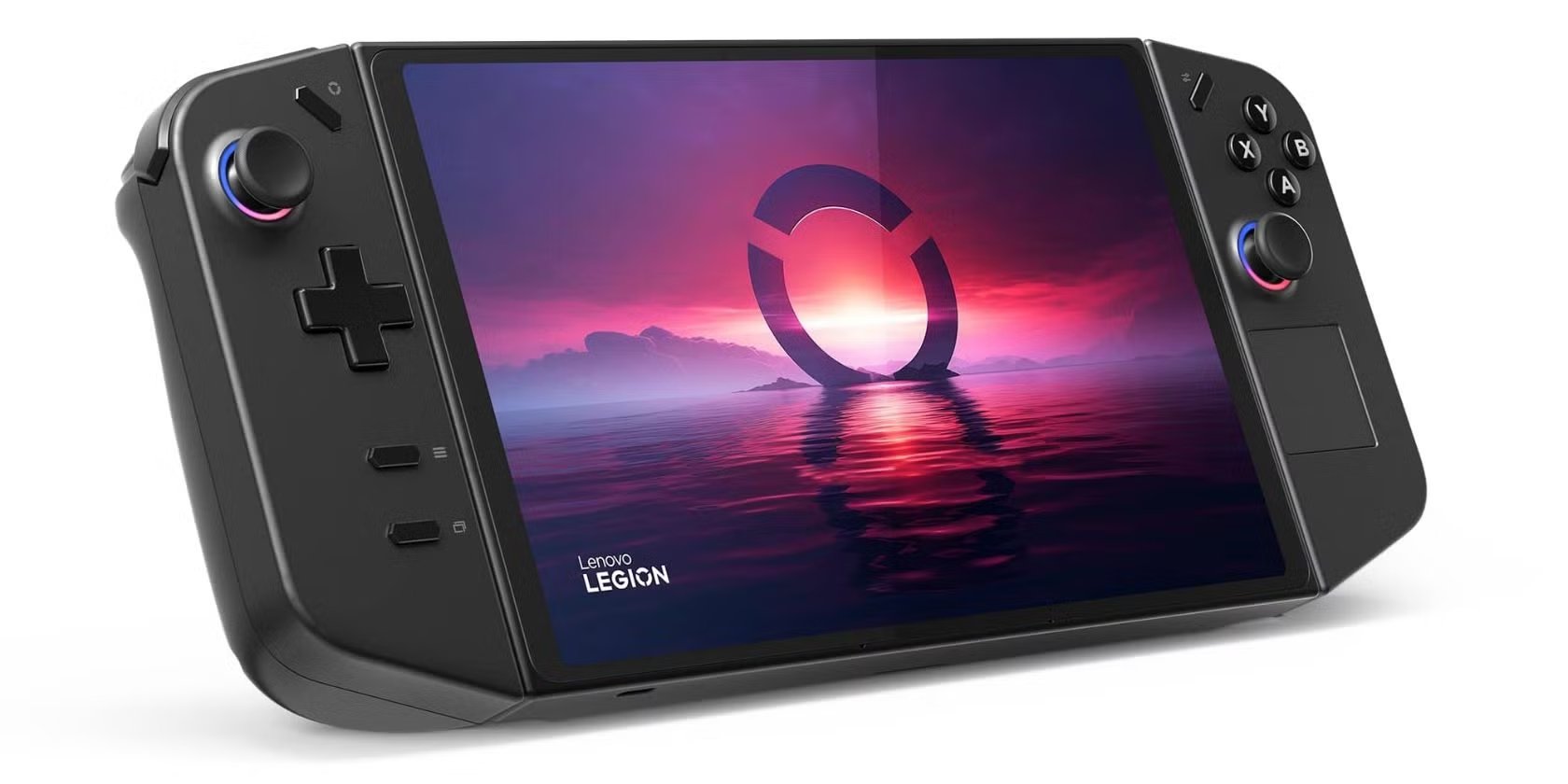
Lenovo Legion Go
Pros
- 8.8″ QHD+ display that offers sharp visuals and fast refresh
- Detachable controllers and built-in kickstand
- Good for streaming and multitasking
Cons
- Bulky and less convenient for travel
- Occasional software issues
- FPS slightly behind the Ally X at similar power levels
Price: Approx. $650 / £520
Link: Get your Lenovo Legion Go
Best for: Gamers who want a large screen and flexible usage options.
The Lenovo Legion Go takes a different approach, combining elements of a tablet and a handheld gaming console. Its large display is useful for games with busy interfaces or media viewing. Detachable controllers and the kickstand enable varied play styles, and Windows 11 compatibility gives it access to a wide range of content. While it’s less portable due to its size and weight, it’s well-suited to players who plan to use it in more stationary settings.
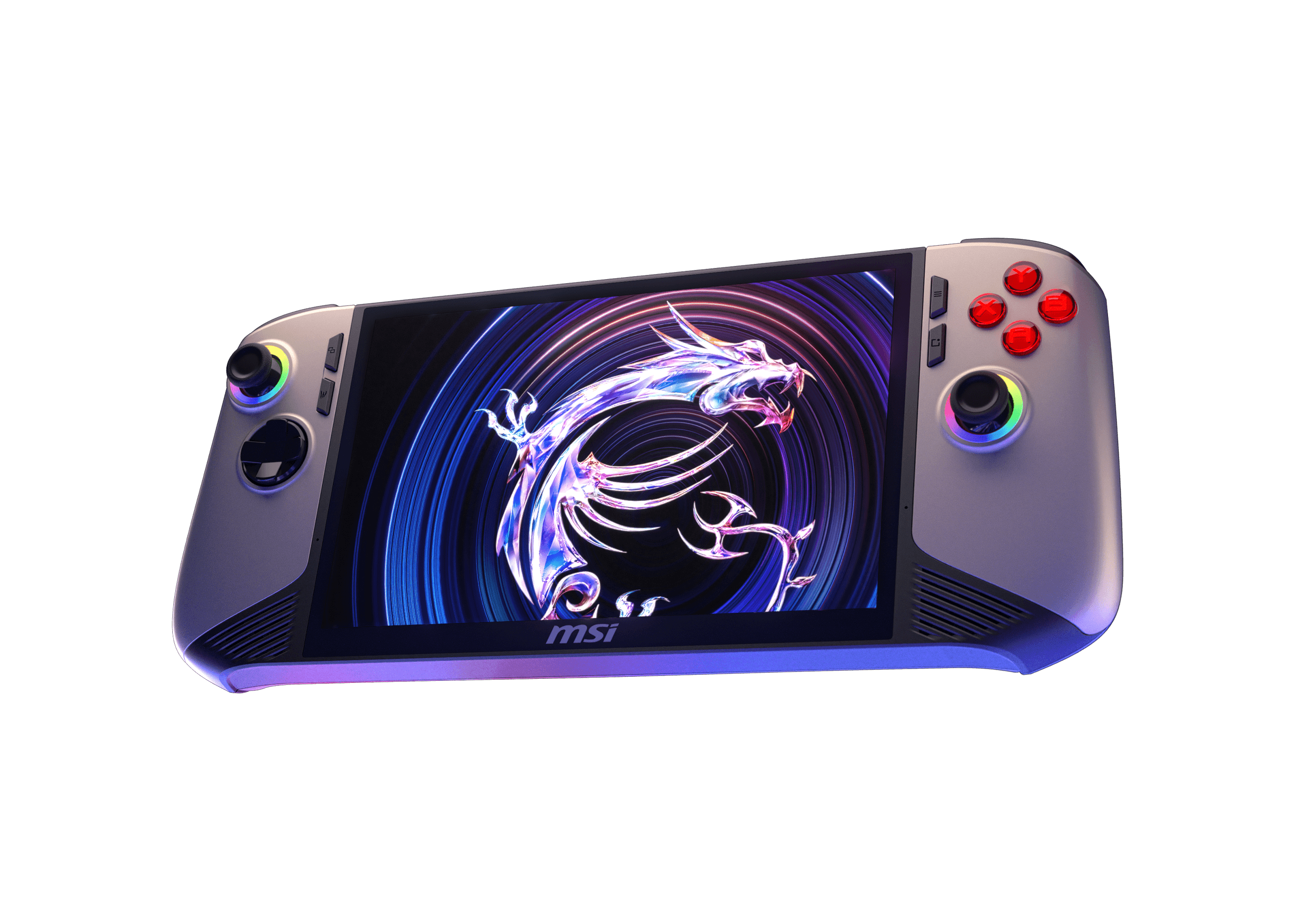
MSI Claw A8 / Claw 8 AI+
Pros
- Latest AMD or Intel processors with strong performance potential
- Features like Thunderbolt 4 and Wi-Fi 7
- Generous RAM and storage options
Cons
- Expensive compared to others
- Mixed early performance results
- Larger and heavier than most alternatives
Price: Approx. $650 / £520
Link: Get your MSI Claw here
Best for: Tech enthusiasts who want the newest hardware and don’t mind paying more.
MSI’s Claw series is all about high-end specs, offering options with Ryzen Z2 Extreme or Intel Ultra chips. It’s aimed at users who want to push the envelope on handheld performance. With up to 24GB of RAM and fast SSD storage, it’s well-equipped for heavy multitasking and future game requirements. However, the premium price and mixed early impressions suggest it’s best for those who value cutting-edge gear and are okay with waiting for software optimization.
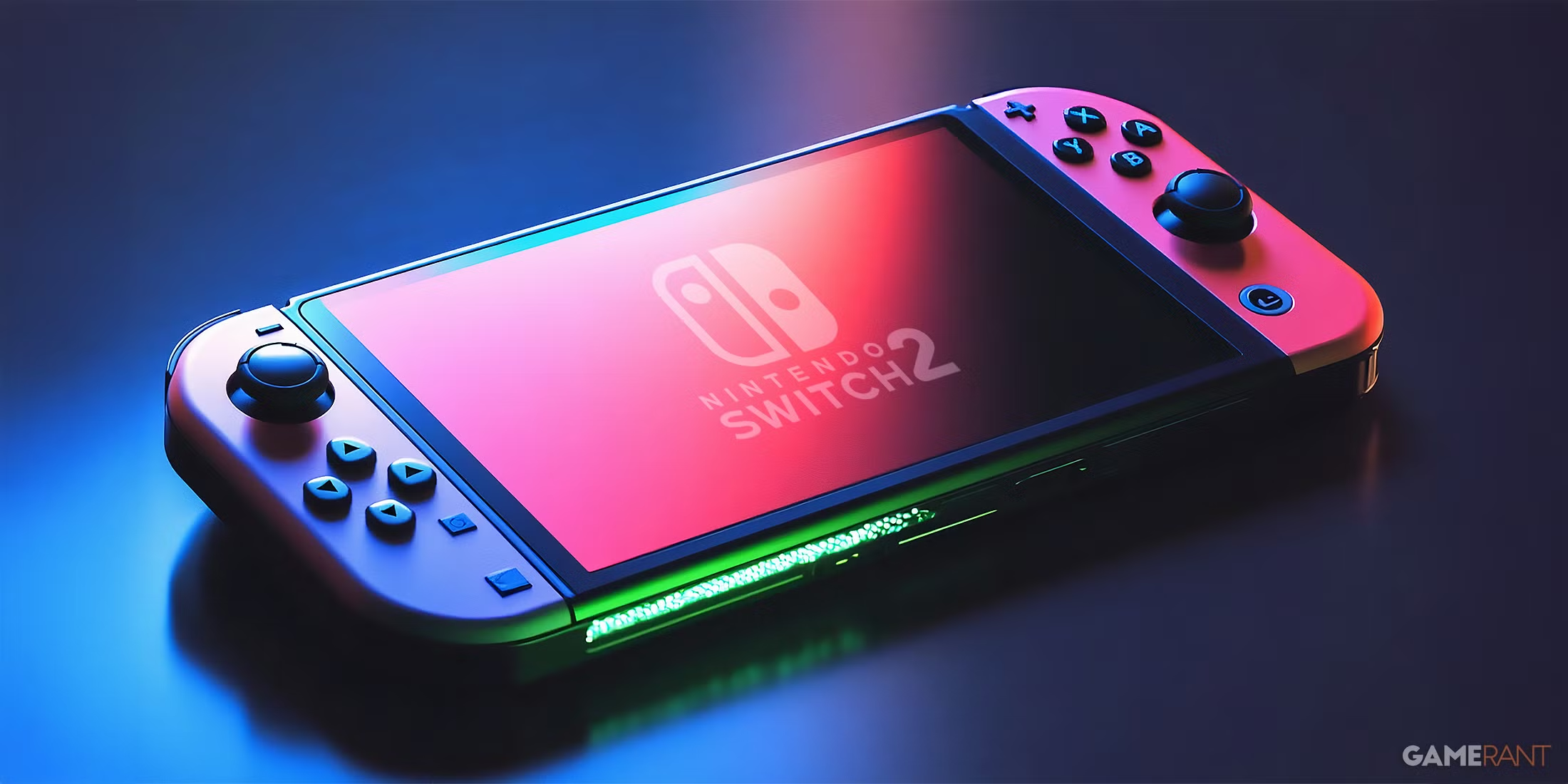
Nintendo Switch 2
Pros
- Strong lineup of exclusive Nintendo games
- Docked 4K output and 120Hz handheld display
- Compact and easy to travel with
Cons
- Locked to the Nintendo ecosystem
- Not suitable for PC games
- Modest internal storage
Price: Approx. $650 / £520
Link: Get your Switch 2 here
Best for: Fans of Nintendo games and families wanting a portable console.
The Nintendo Switch 2 updates the beloved original with better graphics, smoother performance, and a higher refresh display. It retains the hybrid form factor that lets players switch between handheld and docked use easily. While it doesn’t compete with Windows-based handhelds in raw power or flexibility, it makes up for it with great first-party games and accessibility. For those already invested in Nintendo’s world, it remains a convenient and fun way to play.
Final Verdict: Which Handheld Offers the Best Value?
For gamers seeking the best all-around value, the Steam Deck OLED stands out. It may not have the most powerful internals, but it delivers a high-quality display, reliable battery life, and a user-friendly interface, all at a fair price.
If you want peak performance, the ROG Ally X delivers. The Legion Go is ideal if you want a bigger screen and don’t mind a bit of bulk. The MSI Claw is best for those who care about having the latest hardware, and the Switch 2 is still the go-to for Nintendo fans and younger gamers.
Ultimately, the best handheld is the one that fits your gaming habits and lifestyle. And in 2025, the options are better than ever for gaming on the go.
If you’re not in a rush to buy, it’s also worth noting that a few next-generation handhelds and console hybrids are expected to be announced later this year. We’ll review those in an upcoming article so stay tuned for that.
 Twice the bits
Leave a comment