
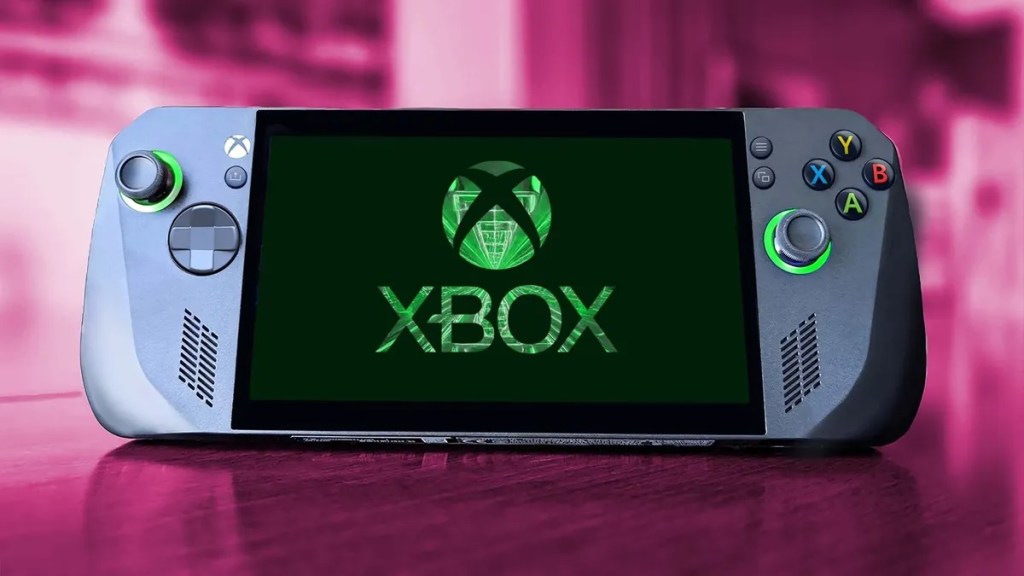
Xbox and ASUS Collaboration – half a step in the right direction!
Jez Corden’s has written an article over at Windows Central outlining “Project Kennan,” a collaboration between Xbox and ASUS to create a Windows-based handheld gaming device. The device, which is expected to be akin to the ASUS ROG Ally, will feature an “Xbox-like” design with some refinements to Windows and Xbox apps to enhance the handheld experience. However, it remains a Windows PC at its core, meaning it won’t natively run most Xbox games unless they are part of the Xbox Play Anywhere program or available through Xbox Cloud Gaming. Microsoft is investing in improving the Xbox app and Game Bar for small-screen usability, but the article raises questions about whether this effort will result in a truly console-like experience. The price is estimated to be between $499 and $599, with different SKU variations. There is speculation about hardware specs, with the likelihood of an AMD Ryzen Z2 chip. While this device is a step toward Microsoft’s deeper engagement with handheld gaming, Corden suggests that a fully native Xbox handheld may still be in the pipeline, targeted for 2027.
Is an Xbox-Branded PC Handheld Enough?
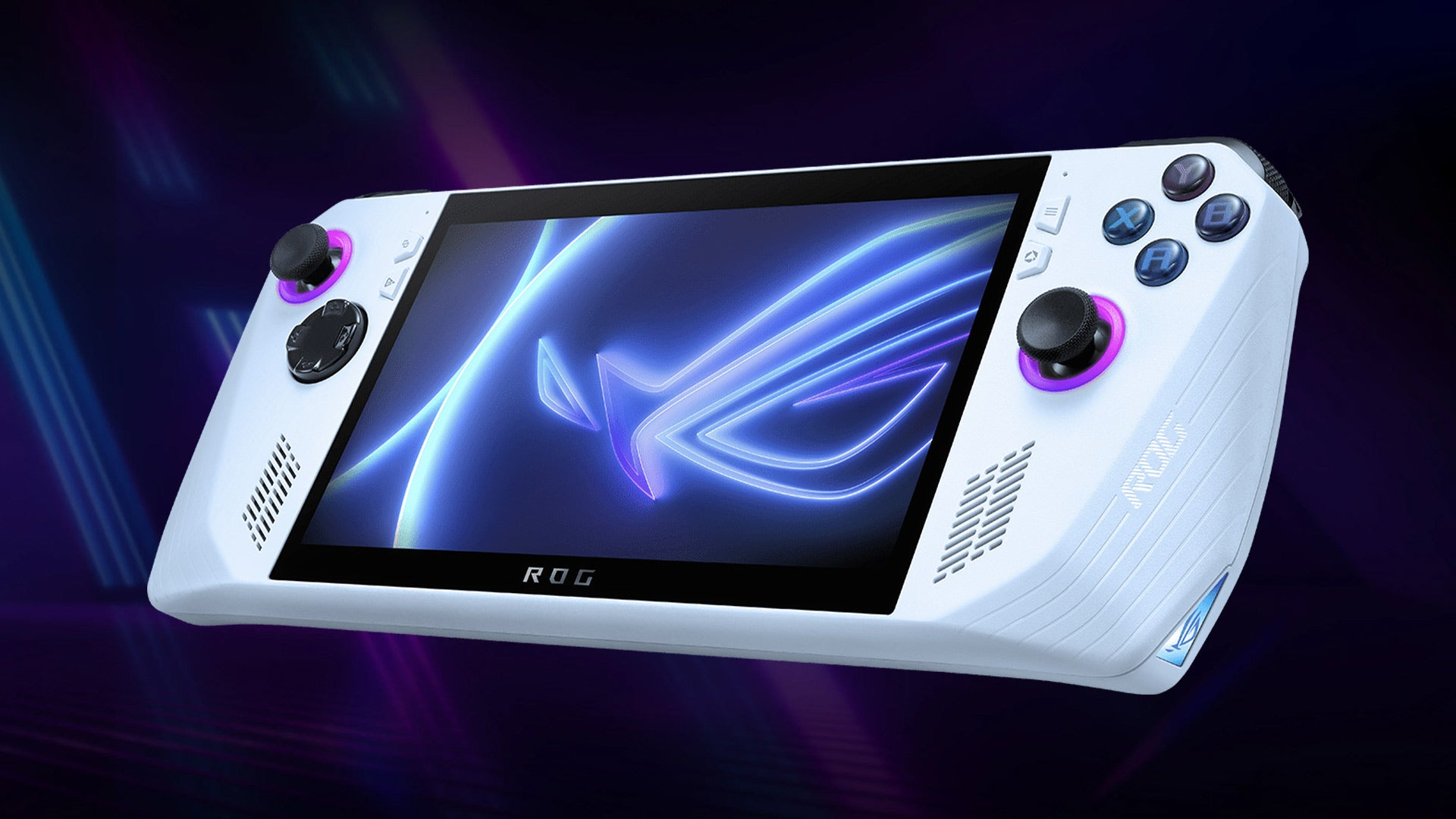
The announcement of “Project Kennan” raises significant questions about Microsoft’s overall strategy in the handheld gaming space. While branding an existing Windows handheld with Xbox colors and buttons may attract some interest, is it truly enough to entice Xbox gamers who aren’t already considering a PC handheld? The fundamental problem remains: this is still a Windows PC, not an Xbox. Unlike the Steam Deck, which offers a seamless, console-like experience via SteamOS, a Windows-based handheld still grapples with UI inconsistencies, game compatibility issues, and an ecosystem that lacks a singular vision for handheld gaming.
Will Windows and the Xbox App Changes Go Far Enough?
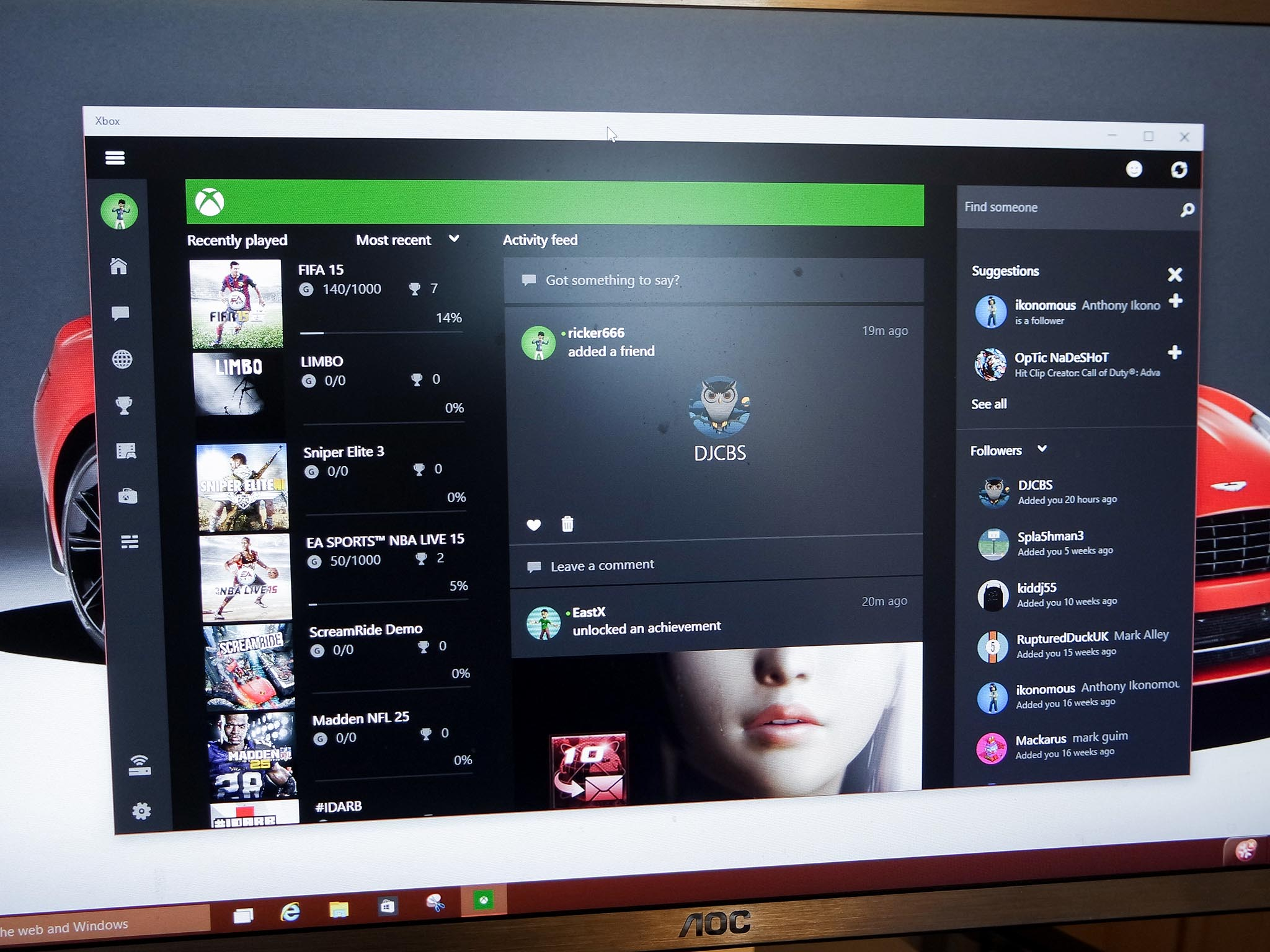
Microsoft’s efforts to improve the Xbox experience on Windows, such as refining the Xbox Game Bar and the Xbox app, are welcome but have historically fallen short of making Windows feel like a dedicated gaming platform. The article suggests Microsoft is “working closely than ever” with OEMs, but what does that really mean? A more responsive Xbox app is nice, but will it fundamentally change the fragmented nature of PC gaming? Unless the updates significantly transform the user experience—eliminating the cumbersome nature of game installs, launcher conflicts, and general Windows bloat—the device risks feeling like another generic gaming PC rather than a true Xbox portable.
Will These Changes Be Exclusive to ASUS or Available for All?
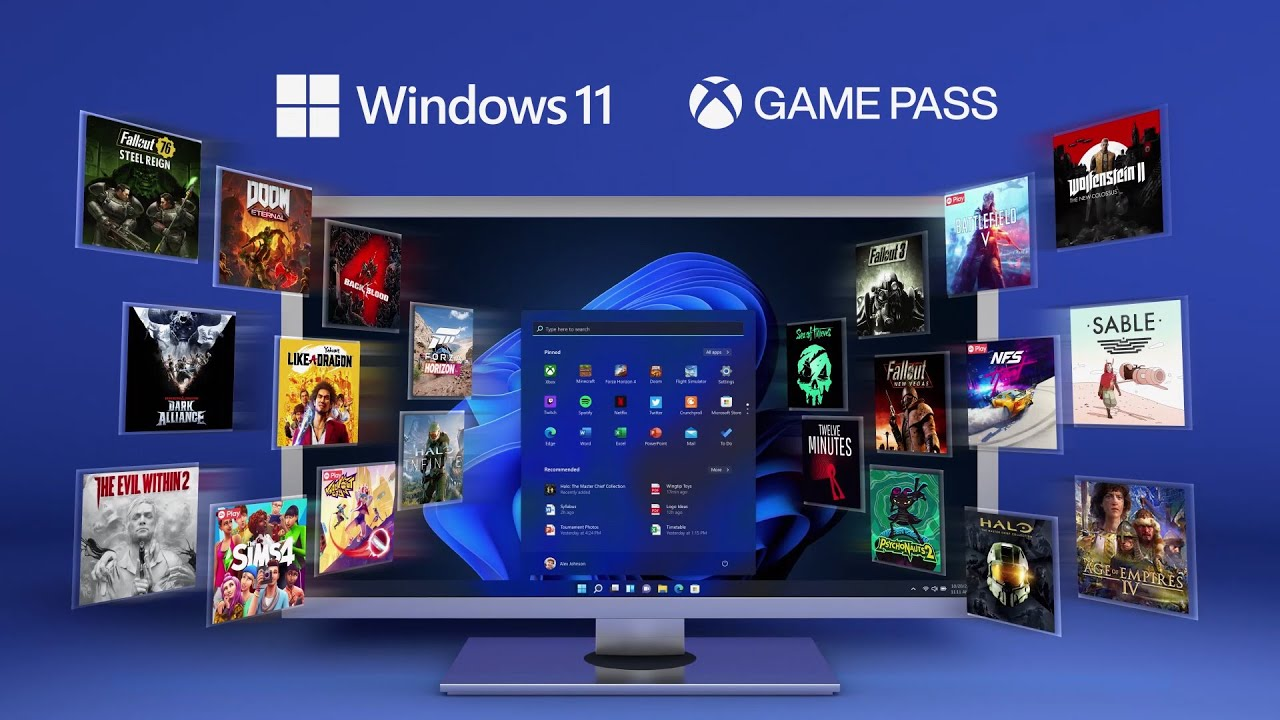
A crucial question remains unanswered: is there any real exclusivity to ASUS’s partnership? If the improvements to the Xbox app and Windows gaming UI will be available to all handhelds and gaming PCs, then what exactly does this partnership offer beyond pre-configuration? Players could simply buy a different handheld, install the updated Xbox app, and have an identical experience. The lack of true exclusivity makes it difficult to see the added value in this deal beyond marketing.
Will This Confuse the Xbox Console Strategy?
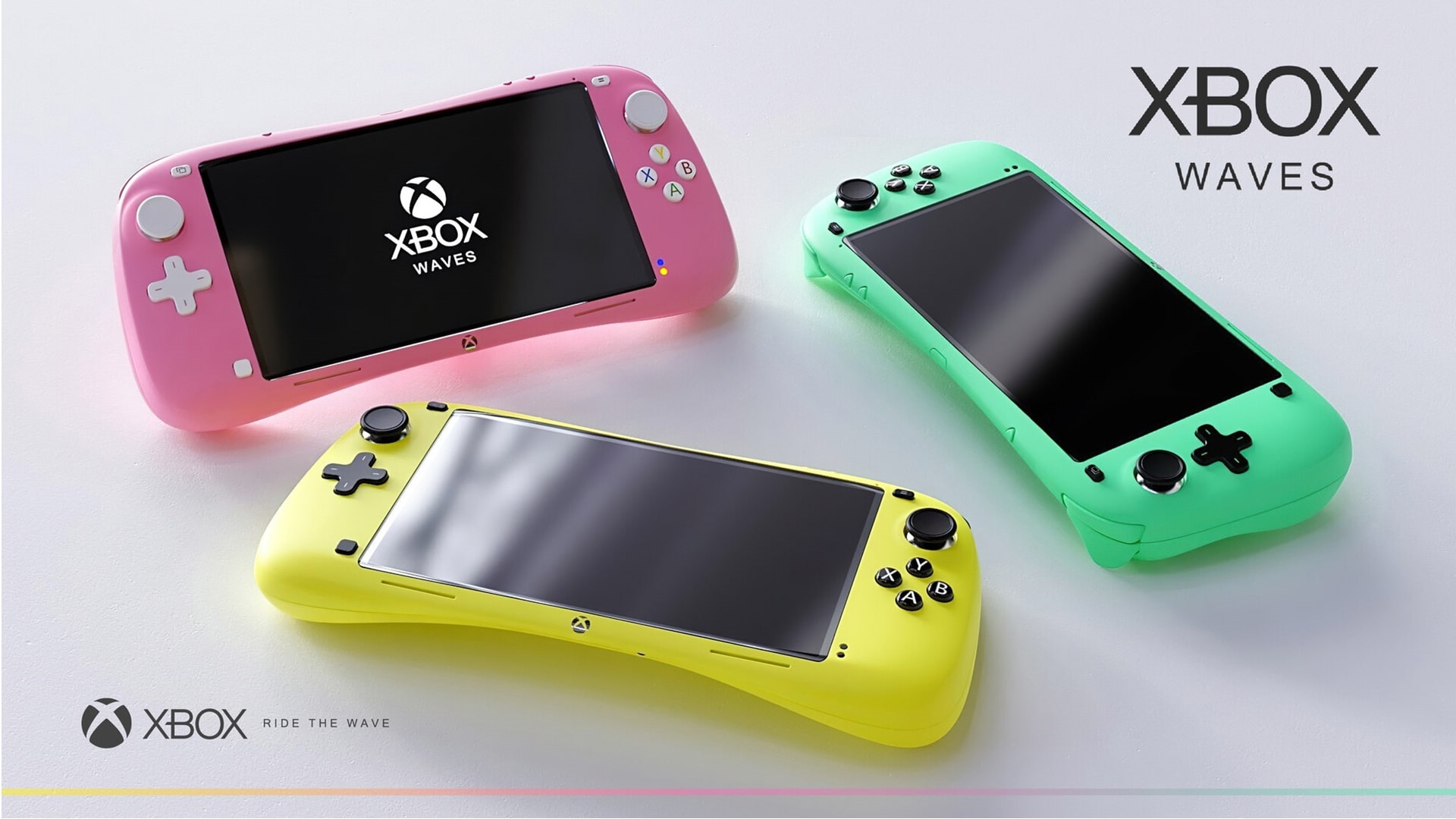
Perhaps the biggest concern is whether introducing a semi-official Xbox handheld will muddy Microsoft’s overall strategy. Xbox is already in an uncertain position, caught between its traditional console business and its push toward cloud gaming. If Microsoft encourages more players to embrace PC-based gaming devices, does this weaken the incentive to buy an Xbox Series X or its successor? While Sony has largely kept PlayStation separate from PC gaming, Microsoft’s increasing push toward PC could cannibalize its console market rather than complement it.
Final Thoughts: A Missed Opportunity for a True Xbox Handheld
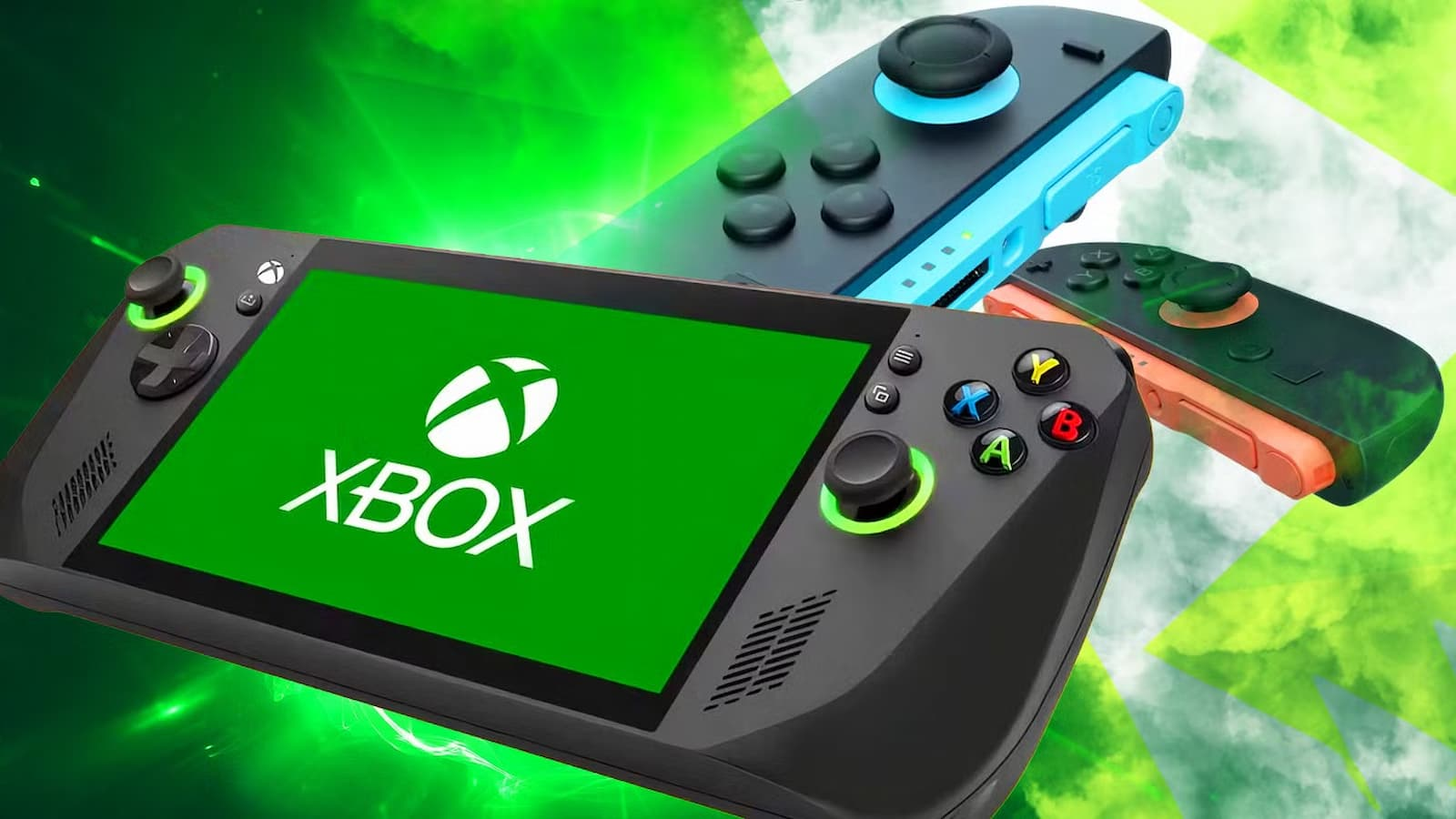
While ASUS and Xbox’s collaboration may be an interesting experiment, it ultimately feels like a half-step rather than a full commitment to a true Xbox handheld. A native Xbox device that runs Xbox games without needing Windows, much like the Nintendo Switch or Steam Deck with SteamOS, would have been a far stronger play. By instead repackaging a Windows PC with minor tweaks, Microsoft risks making an Xbox-branded handheld that neither fully satisfies console players nor excites PC gamers looking for a better alternative.
Unless Microsoft has major UI and ecosystem transformations planned, “Project Kennan” might be little more than an Xbox-colored ROG Ally—and that may not be enough to justify its existence.
 Twice the bits
Leave a comment