
Microsoft has unveiled its latest hardware strategy, centering on AI as a major differentiator from its primary competitor—the MacBook Air. Though the real competition is Apple’s M series processors, the performance and price point of the MacBook Air made it a sensible focus for direct comparisons.
This isnt the first time Microsoft has launched an Arm powered device of course. Let see if this time they see more success….
This new category of AI-powered PCs, called Copilot Plus, will feature Arm-based Snapdragon X Elite and Plus processors with neural processing units (NPUs). These NPUs are designed to be power-efficient, powerful, and capable of enabling advanced AI functionalities in Windows 11.
Key Announcements Include:
- Performance: Copilot Plus PCs are claimed to be 58% faster than the M3 MacBook Air, with models available from Microsoft, Lenovo, Dell, Acer, Asus, and HP.
- Surface Devices: The new Surface Pro and Surface Laptop models feature Snapdragon X Elite and Plus chips, offering up to 90% and 80% performance boosts respectively over previous generations.
- Recall Feature: A new Recall feature logs all activities on the PC, allowing users to search and retrieve content like conversations, files, and slides.
- Integrated Copilot: Copilot is now integrated into more areas of Windows 11, providing AI-powered suggestions, file editing, and notification responses.
- Software Optimization: Adobe’s creative apps like Photoshop and Premiere Pro, along with other software like DaVinci Resolve and CapCut, are being optimized for Copilot Plus PCs.
Microsoft is positioning Copilot Plus PCs as direct competitors to Apple’s MacBook Air, leveraging AI capabilities to enhance performance and productivity.
What I Like About This Announcement:
There’s a lot to like about these announcements. Microsoft is once again demonstrating the strength of its ecosystem, bringing together chip manufacturers, hardware partners, and its operating system to create a diverse range of products suited to different budgets and style preferences.
The power and efficiency of these devices could be a game changer for Windows PCs, provided the performance claims hold up in real-world usage.
The AI capabilities seem genuinely useful, marking another step toward having our own personal AI assistants. More on this later…
If the compatibility layer Microsoft has developed is as effective as claimed, it could match Apple’s Rosetta for applications yet to transition from Intel silicon. While Apple has seen impressive conversion rates to native applications, it remains to be seen how quickly Microsoft’s developer community will follow suit. Ideally, the compatibility layer will support legacy applications for years to come.
What I Didn’t Like:
- Performance Claims: “Snapdragon X Elite and Plus chips, offering up to 90% and 80% performance boosts respectively over previous generations.” Who is using laptops with previous gen chips? Their limited sales speak volumes and tells us just how far Qualcomm and Microsoft have to go. A 90% increase on previously abysmal performance isnt the brag it will be if Qualcomm can continue large gains in performance with each new generation of chips.
- AI Features: While impressive, the AI features could be perceived as invasive. Microsoft will need to work hard to convince users to trust their computer, and by extension Microsoft’s operating system, to analyze their activities. Despite promised guardrails, Microsoft doesn’t have a strong history in security or consumer rights.
This event was intriguing not only for the technical specs of the chips and the new Surface lineup but also for how heavily Microsoft is investing in AI.
However, memories of previous attempts to launch non-Intel hardware linger. These past devices, despite their promises, underperformed, were largely ignored by the developer community, and were hampered by a subpar tablet mode tacked onto the desktop OS.
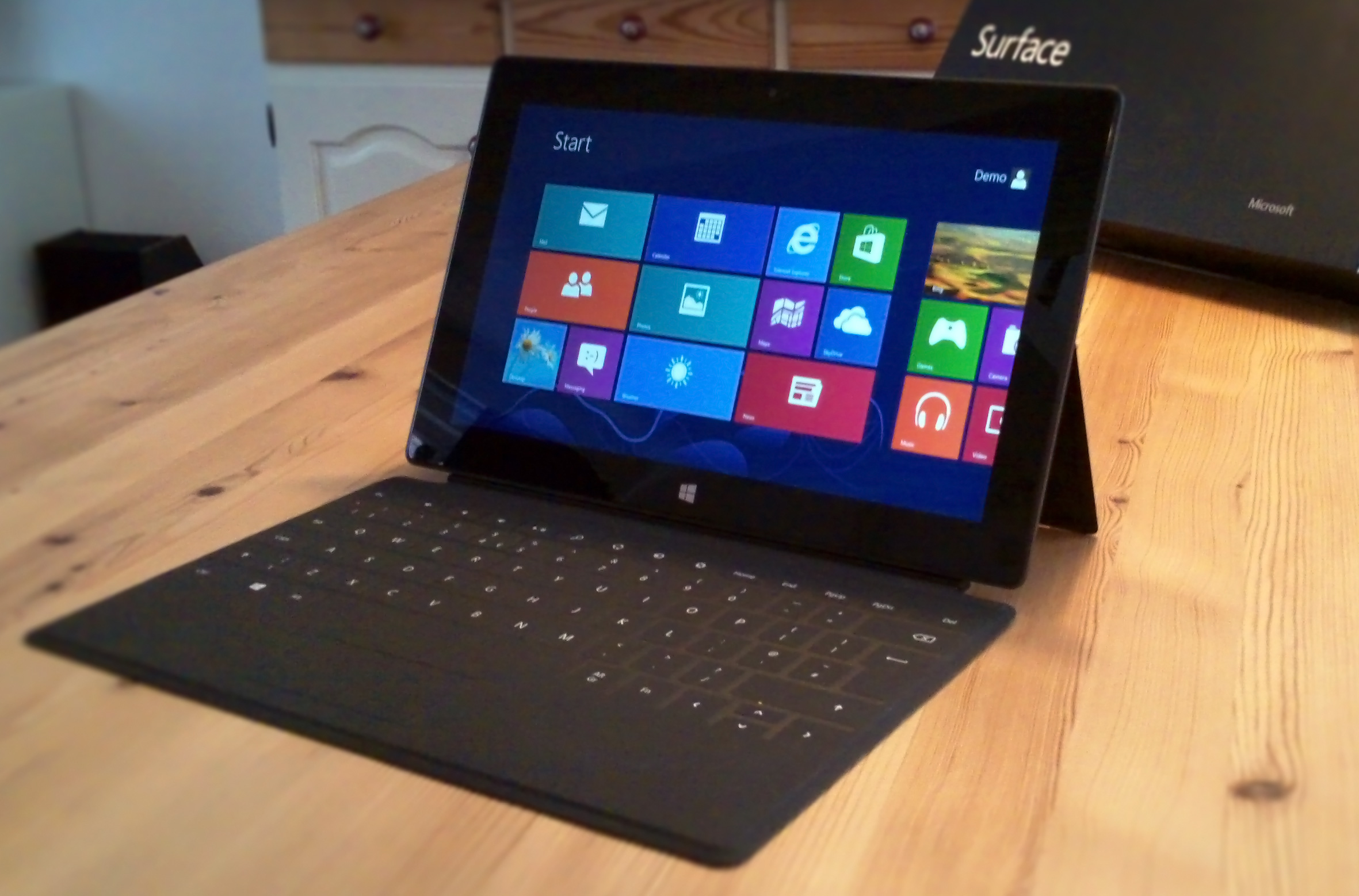
Some of these past challenges have been addressed, but the memory of previous launches persists.
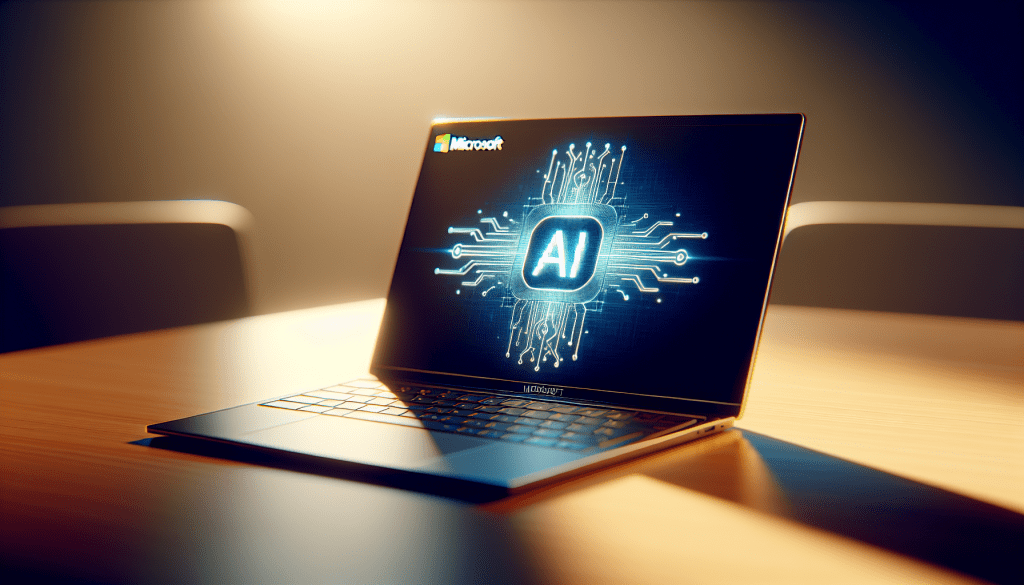
And yes, the header image was created by AI—it seemed fitting.
 Twice the bits
Leave a comment